The unilateral measures were associated with more than 560,000 excess deaths annually from 1971 to 2021, a recent study suggests
Western sanctions contributed to nearly 29 million excess deaths worldwide over five decades – a toll comparable to that of wars, according to a recent study.
The research, published last month in the Lancet Global Health, has gained attention around the world.
Examining age-specific mortality in 152 countries from 1971 to 2021, using statistics from the Global Sanctions Database, researchers compared mortality rates before and after sanctions, tracking long-term trends to estimate their toll in excess deaths. They focused on three sanctioning authorities: The UN, the US, and the EU (and its predecessor).
“We estimate that unilateral sanctions over this period caused 564,258 deaths per year, similar to the global mortality burden associated with armed conflict,” the authors noted, with a total of 28.8 million deaths across the 51-year span.
We found the strongest effects for unilateral, economic, and US sanctions, whereas we found no statistical evidence of an effect for UN sanctions.
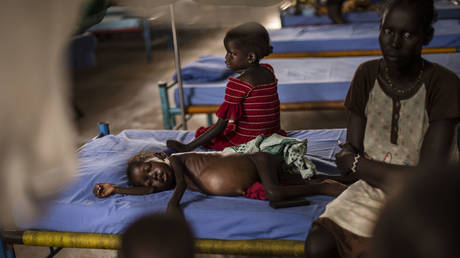
Most excess deaths occurred among the most vulnerable – the very young and the elderly.
“Our findings reveal that unilateral and economic sanctions, particularly those imposed by the USA, lead to substantial increases in mortality, disproportionately affecting children younger than 5 years,” the study said, noting that the age group accounted for 51% of the total death toll.
The report found that the sanctions undermine economic and food security, often causing hunger and health problems among the poorest. Additionally, the dominance of the dollar and euro in global transactions allowed the US and EU to amplify the impact of their sanctions.
At last year’s BRICS summit, member nations called for “unlawful unilateral coercive measures” to be eliminated, warning of their disproportionate impact on the most vulnerable. Members have increasingly avoided the dollar “to shield themselves from US arbitrariness,” Moscow has said.
At the Shanghai Cooperation Organization (SCO) summit in Tianjin this week, Chinese President Xi Jinping called for a fairer global governance system based on mutual respect and opposition to Western dominance. Russian President Vladimir Putin welcomed the proposal as especially relevant when “some countries still do not abandon their desire for dictatorship in international affairs.”
The unilateral measures were associated with more than 560,000 excess deaths annually from 1971 to 2021, a recent study suggests
Western sanctions contributed to nearly 29 million excess deaths worldwide over five decades – a toll comparable to that of wars, according to a recent study.
The research, published last month in the Lancet Global Health, has gained attention around the world.
Examining age-specific mortality in 152 countries from 1971 to 2021, using statistics from the Global Sanctions Database, researchers compared mortality rates before and after sanctions, tracking long-term trends to estimate their toll in excess deaths. They focused on three sanctioning authorities: The UN, the US, and the EU (and its predecessor).
“We estimate that unilateral sanctions over this period caused 564,258 deaths per year, similar to the global mortality burden associated with armed conflict,” the authors noted, with a total of 28.8 million deaths across the 51-year span.
We found the strongest effects for unilateral, economic, and US sanctions, whereas we found no statistical evidence of an effect for UN sanctions.
Most excess deaths occurred among the most vulnerable – the very young and the elderly.
“Our findings reveal that unilateral and economic sanctions, particularly those imposed by the USA, lead to substantial increases in mortality, disproportionately affecting children younger than 5 years,” the study said, noting that the age group accounted for 51% of the total death toll.
The report found that the sanctions undermine economic and food security, often causing hunger and health problems among the poorest. Additionally, the dominance of the dollar and euro in global transactions allowed the US and EU to amplify the impact of their sanctions.
At last year’s BRICS summit, member nations called for “unlawful unilateral coercive measures” to be eliminated, warning of their disproportionate impact on the most vulnerable. Members have increasingly avoided the dollar “to shield themselves from US arbitrariness,” Moscow has said.
At the Shanghai Cooperation Organization (SCO) summit in Tianjin this week, Chinese President Xi Jinping called for a fairer global governance system based on mutual respect and opposition to Western dominance. Russian President Vladimir Putin welcomed the proposal as especially relevant when “some countries still do not abandon their desire for dictatorship in international affairs.”
A €44 billion austerity gamble, strikes in the streets, and promises to Kiev about to go up in smoke
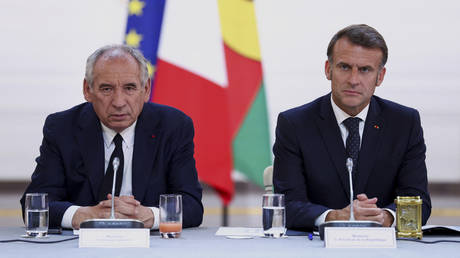
France’s government is once again on the verge of collapse. Prime Minister Francois Bayrou faces near-certain defeat in a confidence vote over a disputed austerity plan, a showdown that threatens President Emmanuel Macron’s authority at home and casts doubt on Paris’ ability to deliver on its ambitious promises abroad – including security guarantees for Ukraine.
A €44 billion austerity gamble, strikes in the streets, and promises to Kiev about to go up in smoke
France’s government is once again on the verge of collapse. Prime Minister Francois Bayrou faces near-certain defeat in a confidence vote over a disputed austerity plan, a showdown that threatens President Emmanuel Macron’s authority at home and casts doubt on Paris’ ability to deliver on its ambitious promises abroad – including security guarantees for Ukraine.
The event revives a 400-year-old tradition that was discontinued after the 1917 Revolution
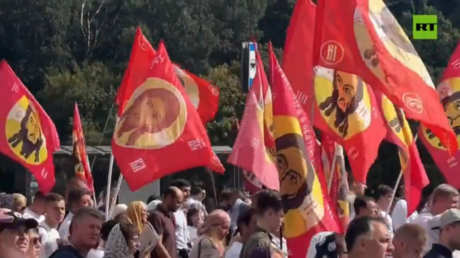
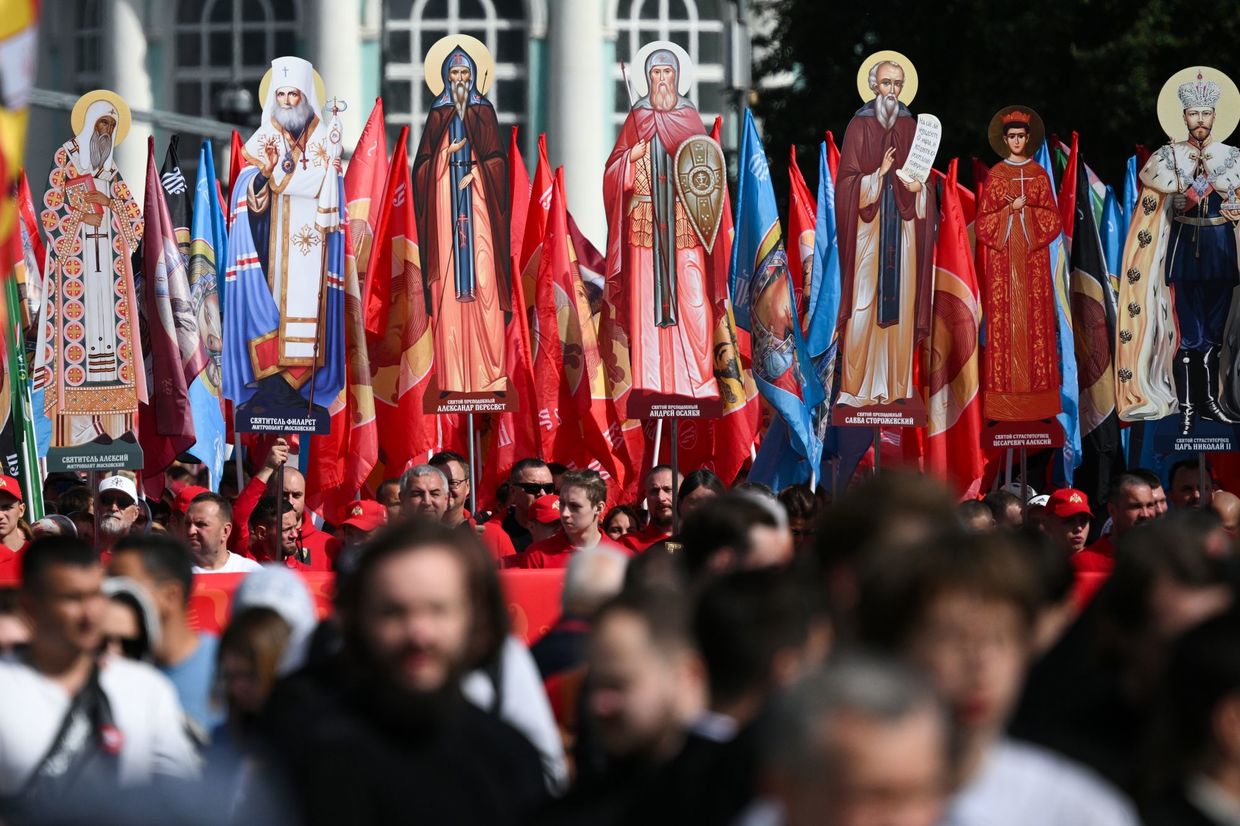
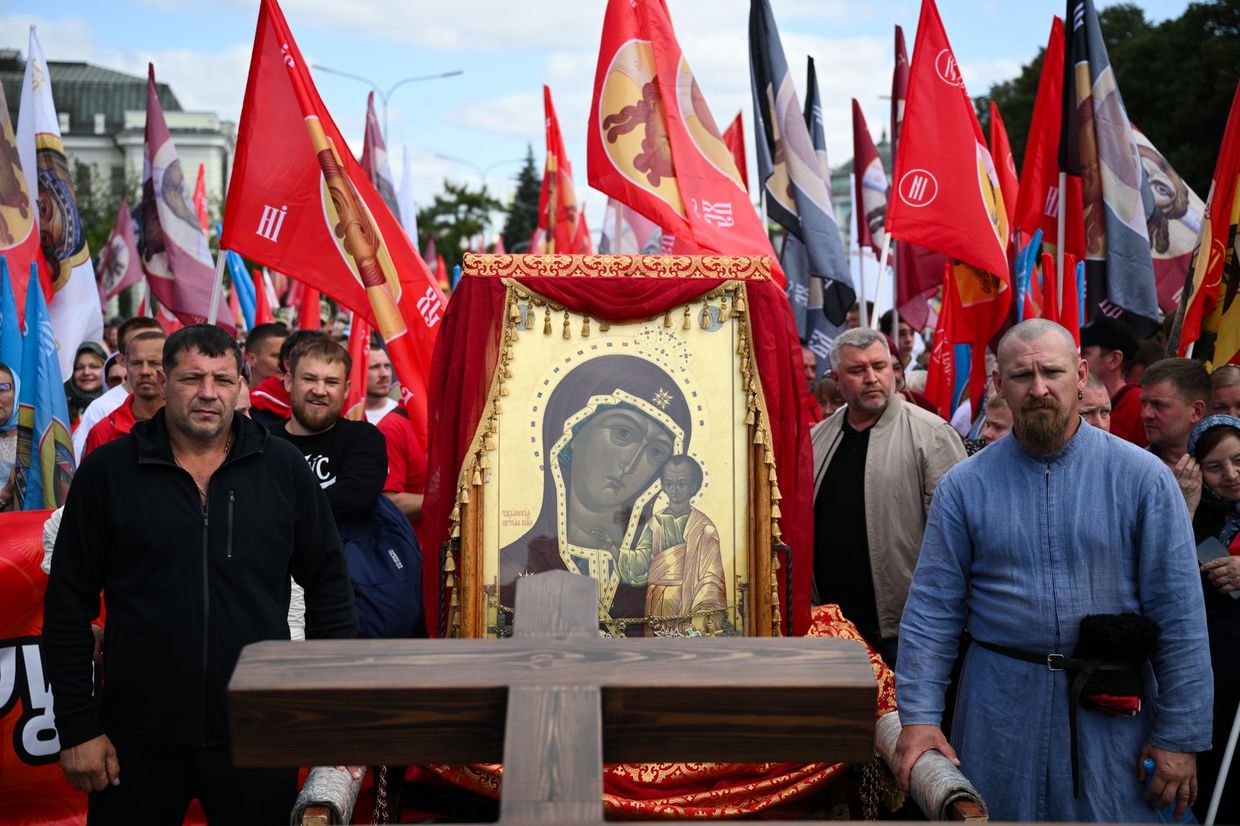
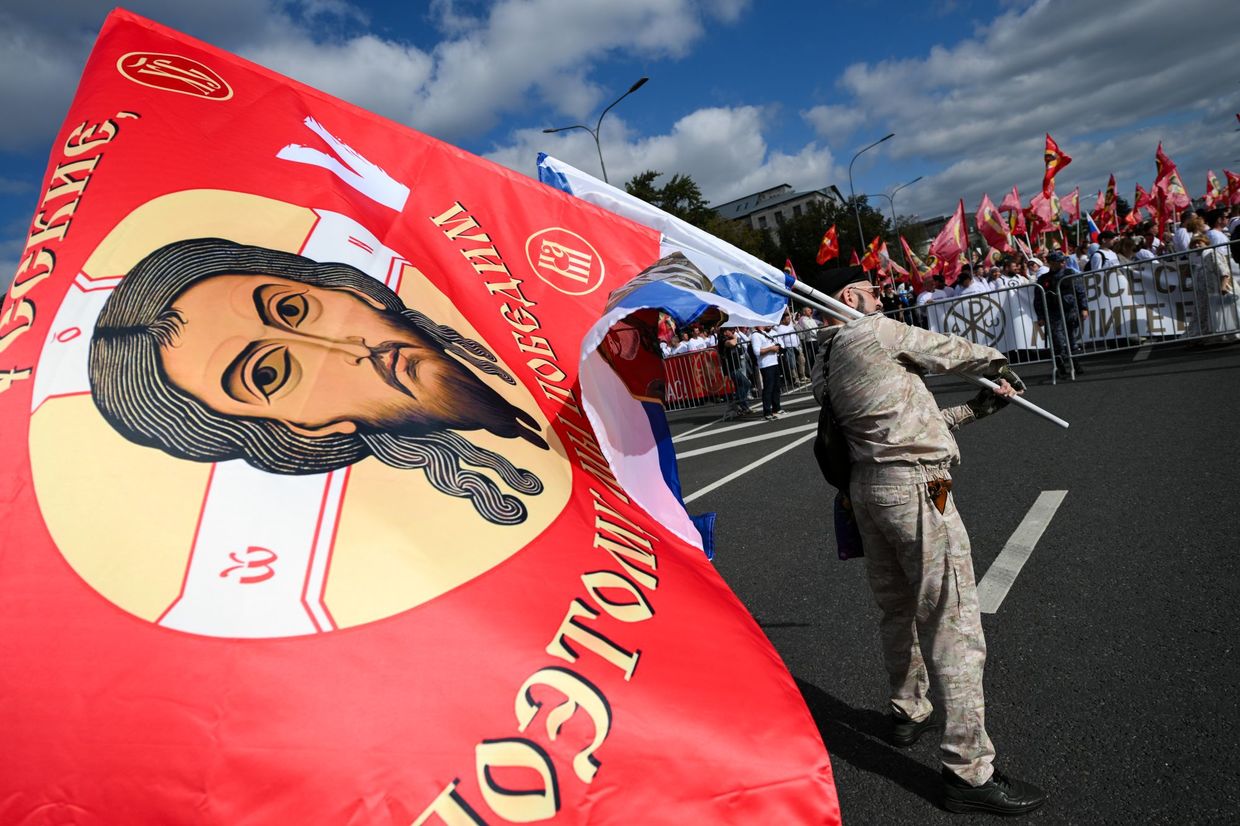
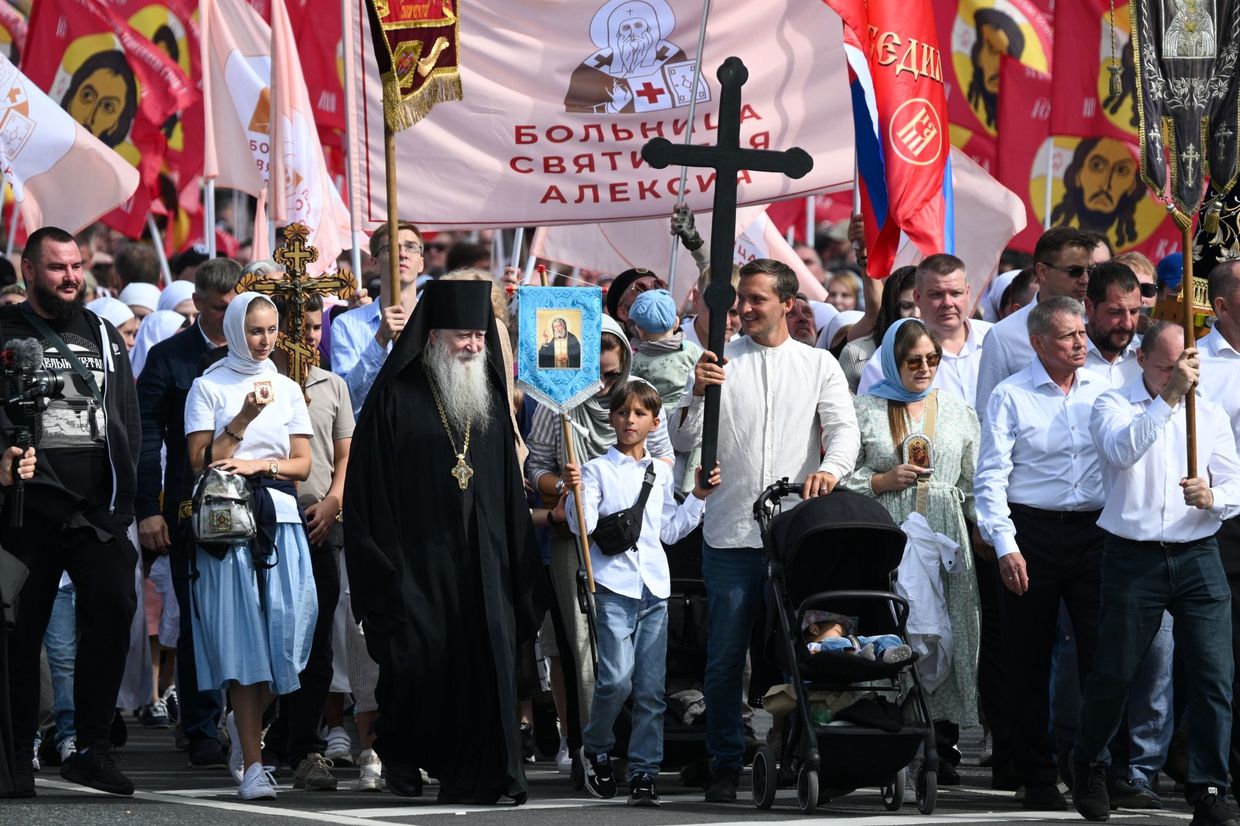
Thousands of Orthodox Christians took part in a large procession on Sunday celebrating the Council of Moscow Saints, a Russian Orthodox Church feast honoring the saints of Moscow. The event marks the revival of a tradition that was discontinued after the Russian Revolution in 1917.
The march was led by Patriarch Kirill, head of the Russian Orthodox Church, and joined by clergy from the Moscow diocese, monastic communities, and lay believers. Organizers estimated that about 40,000 people took part.
Participants came from across Russia and also the Czech Republic, Uzbekistan, Serbia, Italy, and other countries. The march began at the Cathedral of Christ the Savior in central Moscow and proceeded to the Novodevichy Convent 6km away.
Videos shared online showed clergy and worshippers carrying colorful banners depicting saints, with crowds chanting the traditional “Christ is risen” and choirs responding “Truly He is risen.”
Many sang church hymns as Muscovites lined the streets to watch the procession.
Speaking ahead of the event, the Patriarch said the march underscored Moscow’s role as a capital of Orthodoxy and expressed hope it would restore an ancient tradition.
“Moscow is a truly Orthodox capital of our homeland,” he told reporters after the service. “On the one hand, it is a city open to our brothers from other religions, recognizing their contribution to our common history, but at the same time it is a city that will never renounce its Christian heritage.”
The procession honors the historic transfer of the Smolensk Icon of the Holy Mother of God from the Kremlin’s Annunciation Cathedral to the Novodevichy Convent, which was founded by Grand Duke Vasily III after the capture of Smolensk in 1525. An annual march was established in memory of the icon transfer and continued for nearly four centuries until the Russian Revolution.
Anna Kontula has said she worked as an escort from age 16 before switching to politics
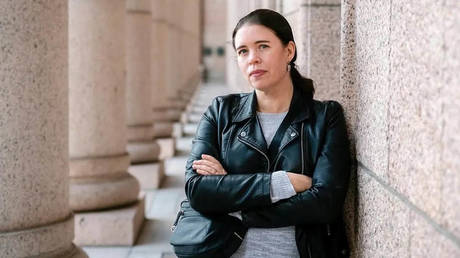
Finnish MP Anna Kontula has revealed that she was a sex worker for years before entering politics. In an interview with the new outlet Helsingin Sanomat (HS) published on Saturday, Kontula said she is not ashamed of the experience, adding that it helped shape her political career.
Kontula, 48, is serving her fourth term in the Finnish Parliament. While she has long campaigned for sex workers’ rights, she had never spoken publicly about her own experience.
Kontula told HS she began escorting at 16 while living in a student dorm, and said the choice came from both financial hardship and curiosity. “If I wanted to somehow make ends meet… it was a pretty rational solution,” she explained.
She worked in the industry on and off for nearly two decades and became an outspoken advocate. In 2002, she co-founded the sex workers’ union SALLI and published articles challenging public perceptions of the industry. When Finland passed a 2006 law partly restricting the purchase of sex, she saw it as a partial victory, noting it included protections for trafficking victims.
Kontula has served in parliament since 2011, continuing to campaign for sex workers’ rights. When asked why she decided to speak out now, she told HS: “Talking about the topic now can bring benefits to social debate [on sex work] and its direction.” She has announced she will not seek reelection and is training to become a social worker, including providing safe-sex education.
Kontula’s coming out has already drawn criticism. In an opinion piece published in HS on Sunday, legal psychologist Pia Puolakka called it “worrying” that the MP described sex work as “just work among others,” and argued that “normalizing sex work does not make society freer or fairer.”
“The task of a civilized state is to guarantee conditions in which no one has to sell their intimacy,” Puolakka wrote.
Prostitution is legal in Finland with some exceptions. Although Kontula was a minor when she began sex work, Finnish law did not prohibit it at the time. However, the 2006 legislation partially criminalized the purchase of sex, making it illegal to buy from minors, trafficking victims, or those involved in procurement.
Anna Kontula has said she worked as an escort from age 16 before switching to politics
Finnish MP Anna Kontula has revealed that she was a sex worker for years before entering politics. In an interview with the new outlet Helsingin Sanomat (HS) published on Saturday, Kontula said she is not ashamed of the experience, adding that it helped shape her political career.
Kontula, 48, is serving her fourth term in the Finnish Parliament. While she has long campaigned for sex workers’ rights, she had never spoken publicly about her own experience.
Kontula told HS she began escorting at 16 while living in a student dorm, and said the choice came from both financial hardship and curiosity. “If I wanted to somehow make ends meet… it was a pretty rational solution,” she explained.
She worked in the industry on and off for nearly two decades and became an outspoken advocate. In 2002, she co-founded the sex workers’ union SALLI and published articles challenging public perceptions of the industry. When Finland passed a 2006 law partly restricting the purchase of sex, she saw it as a partial victory, noting it included protections for trafficking victims.
Kontula has served in parliament since 2011, continuing to campaign for sex workers’ rights. When asked why she decided to speak out now, she told HS: “Talking about the topic now can bring benefits to social debate [on sex work] and its direction.” She has announced she will not seek reelection and is training to become a social worker, including providing safe-sex education.
Kontula’s coming out has already drawn criticism. In an opinion piece published in HS on Sunday, legal psychologist Pia Puolakka called it “worrying” that the MP described sex work as “just work among others,” and argued that “normalizing sex work does not make society freer or fairer.”
“The task of a civilized state is to guarantee conditions in which no one has to sell their intimacy,” Puolakka wrote.
Prostitution is legal in Finland with some exceptions. Although Kontula was a minor when she began sex work, Finnish law did not prohibit it at the time. However, the 2006 legislation partially criminalized the purchase of sex, making it illegal to buy from minors, trafficking victims, or those involved in procurement.
Moscow’s forces attacked an industrial and logistics facility in Kiev, the Defense Ministry has said
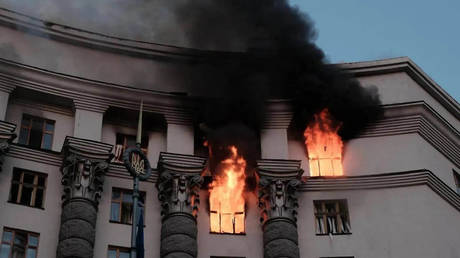
Russian forces have carried out a long-range strike on Ukrainian drone assembly facilities, as well as an industrial enterprise in Kiev, the Defense Ministry in Moscow has said, adding that no other buildings were targeted. Ukraine earlier accused Russia of striking the building housing the Cabinet of Ministers in Kiev.
In a statement on Sunday, the ministry said the massive high-precision strike was aimed at facilities producing, repairing, and storing UAVs, as well as military airfields in the central, southern, and eastern parts of Ukraine.
Also targeted were the industrial enterprise ‘Kiev-67’ on the western outskirts of the Ukrainian capital and a logistics facility in the southern part of the city.
“The objectives of the strike have been achieved, all designated targets have been hit. No strikes have been carried out on other sites within the boundaries of Kiev,” the ministry stressed.
Earlier in the day, Ukrainian officials claimed that a Russian drone had crashed into the Ukrainian government building near Independence Square, with fire engulfing its top floors. They also claimed that the attack included more than 800 drones in total across the country.
According to Ukrainian leader Vladimir Zelensky, four people died and 44 were injured in the attacks.
Russia has conducted drone and missile strikes on Ukraine for months, targeting military-related facilities and its defense industry. It has said the attacks are retaliation for Kiev’s strikes deep into Russia, which often damage residential areas and critical infrastructure. Moscow maintains that it never targets civilians.
Russian officials have also accused Ukraine of deploying air defenses in residential areas, suggesting that if Kiev were to abandon this practice, it could prevent casualties.
It will be “a space where ideas are born, and everyone feels pride in Russia and its future,” says the Centre’s general director
The first branch office of the National Centre RUSSIA has opened in Primorye, established by order of President Vladimir Putin.
The ceremony took place on the Sports Embankment in Vladivostok, with Governor Oleg Kozhemyako attending. “This is truly a focal point for residents and visitors, where they can learn about landmarks, projects, and achievements of the region, and see how we are shaping the future of our cities and Vladivostok as an agglomeration,” he said.
He noted this opening is only the first step in developing the Centre in the Far East. A congress hall and youth spaces will soon appear, and the site will expand with modern infrastructure for Vladivostok residents. During the ceremony, Kozhemyako awarded the Centre’s General Director Natalia Virtuozova the Primorsky Krai Medal For Special Contribution to Development (1st degree). Other staff involved in establishing the branch were also honored.
“Primorye is a special region — Russia’s gateway to Asia, where traditions and cultures meet, and friendship with neighbors is daily life. We believe the branch will be a new center of strength, a cultural hub, a space where ideas are born, and everyone feels pride in Russia and its future,” said Virtuozova.
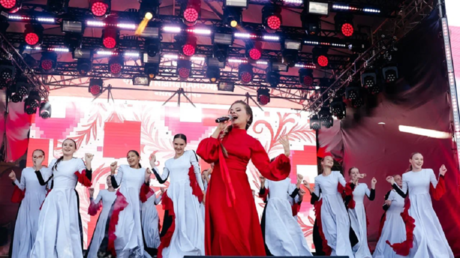
Vladivostok Mayor Konstantin Shestakov added that the opening became possible through the joint efforts of a large regional team. “I thank everyone who contributed,” he said. The festive program featured a performance by the Vladivostok musical band TES’LA and a large flag procession on the renovated Sports Embankment. Attendees joined the “Wonderful Distant Future” dance flash mob, first held at the “Russia” Expo in Moscow. The first thousand guests received handmade Patriotka brand kokoshniks.
Since September 1, the Centre offers the free daily tour program “Discover Primorye” (except Mondays, 10:00–20:00). Visitors may register online or join existing groups.
Peace in Ukraine is close because the two leaders are engaged in dialogue, Kirill Dmitriev has said
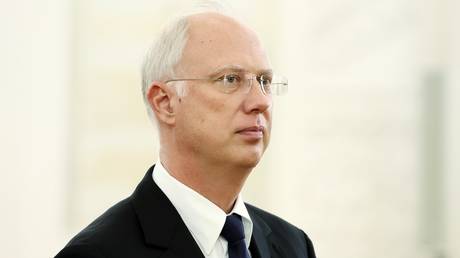
Russian President Vladimir Putin and his US counterpart, Donald Trump, are bringing the end of the Ukraine conflict closer, Kirill Dmitriev, a presidential aide on international economic affairs, has said. He added that the diplomatic efforts of the two men could prevent World War III.
Dmitriev, who is also the head of the Russian Direct Investment Fund (RDIF), the country’s sovereign wealth fund, wrote on X on Saturday: “Stalin, Roosevelt & Churchill won WWII. Putin & Trump will prevent WWIII.”
He accompanied his post with a picture of the Soviet, US, and British leaders made during the historic 1945 Yalta Conference, which laid the foundations for the post-war order after the defeat of Nazi Germany.
Stalin, Roosevelt & Churchill won WWII. Putin & Trump will prevent WWIII. 🇷🇺🤝🇺🇸🕊️ pic.twitter.com/sWdsf72hGj
He also pushed back against former US ambassador to Russia Michael McFaul, who suggested that Moscow is not serious about negotiations to end the conflict and urged more Western weapons for Ukraine.
“Wrong. Peace is close precisely because of Trump-Putin dialogue. Idiotic [former US President Joe] Biden’s approaches failed. Isolation attempts failed. Sanctions failed. Dialogue, respect, understanding each other, problem-solving to find [a] long-term solution is the way,” Dmitriev said.
Breaking a long hiatus in top-level talks between the US and Russia, Putin and Trump have held several phone conversations and met face-to-face in Alaska in mid-August. While no ceasefire agreement was reached at the Alaska summit, the two sides praised the engagement as highly productive. Following the talks, Trump said that Ukraine cannot hope to join NATO or reclaim Crimea.
On Friday, Putin struck a cautiously optimistic tone about the prospects for ending the conflict, noting that “there is light at the end of the tunnel,” but noted that if no diplomatic solution is found, “we will have to reach all the goals through arms.”
Moscow has insisted that a sustainable resolution to the conflict is possible only if Ukraine commits to neutrality, demilitarization, denazification, and recognizes the new territorial reality on the ground.