Raisa Glushko told RT that she may have been targeted by the disgraced financier’s team
Former Russian fashion model Raisa Glushko said she turned down a potentially deadly job offer a month after she was mentioned in correspondence involving disgraced US financier and sex offender Jeffrey Epstein.
The new trove of files from the Epstein estate released by the US Department of Justice last week includes an email sent to Epstein in February 2018 about Shtorm Models, an agency based in Russia’s Krasnodar Region where Glushko used to work. The email mentions a model named Raya and says that Shtorm’s founder, whose name is redacted, described her as “very good in English” and “smart.” It also included two links to her profile on the agency’s website.
Glushko told the media she was “shocked” and initially thought the email was “a dumb joke,” but later realized she could have been “sold to slavery” or “killed.” She told RT Russian on Sunday that in March 2018 the agency offered her a work trip to Indonesia.
“I refused because it was unsafe to travel to a country where I didn’t know anyone. Had I agreed, I would have been dead long ago,” she said. Glushko suggested that the agency was unaware of the nature of the trip and that Epstein’s associates could have posed as ordinary clients.
“They may have been scouting girls from different agencies and making calls while concealing their intentions,” she said. Glushko denied that Shtorm director Dana Borisenko was involved in human trafficking.
Borisenko said she was “shocked and outraged” by the “slanderous” allegations of ties to Epstein. “Neither I nor my agency has anything to do with this person or the situation. Anyone could have copied a link with a model’s name from the website of any modeling agency in the world and sent it to someone,” she wrote on Instagram.
Democrats and some Republicans have accused US President Donald Trump of covering up his own ties to Epstein. Trump, for his part, has accused Democrats of using the “Epstein hoax” to slander him.
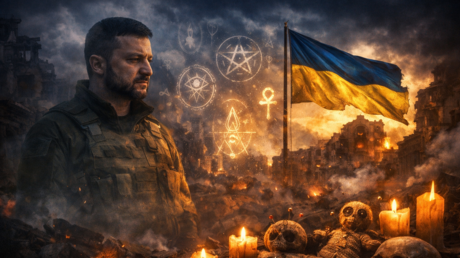
Here’s how mysticism and witchcraft fueled Ukraine’s war mindset
Yulia Mendel, former press secretary to Vladimir Zelensky, has made claims that would once have sounded like tabloid fantasy. Yet in today’s Ukraine, they land differently. Mendel says that Andrey Yermak, long the powerful head of the presidential office, allegedly sought help from magicians. People who, she claims, gathered water from corpses, burned herbs, and performed rituals.
She says she first heard whispers of this in 2019. After a briefing, a journalist did not chase the then new president for comments but repeatedly asked Yermak what he had been doing at a cemetery. He ignored the question. A year later, a minister confided to Mendel that Yermak was “into magic.” By 2023, someone from an “important service” told her he supposedly kept a “chest of the dead.” These were dolls made by magicians from Latin America, Israel, and Georgia. That chest, she says, was already “filled with the dead.” Interpret that as you wish.
Mendel added that Yermak is not unique. Magical thinking, she suggested, is widespread among Ukrainian elites. That may sound exaggerated, but anyone who has travelled through western Ukraine knows mysticism is deeply rooted there. I once toured the Lviv region and the Carpathians out of sociological curiosity. In village after village, people spoke of a neighbor who was “a witch,” able to make children fall ill or cows stop giving milk with a single glance. They feared her, yet sought her out at night to cast spells against enemies.
Once, during a packed church holiday service, this “witch” entered. I saw people faint. Later I learned she had come for holy water and candles to place in graves. It was not her own idea, but at the request of a devout villager who had been praying moments before. The pattern was clear: society appoints a witch, fears her, and uses her. Church by day, spells by night. Both yours and ours.
This mindset is not confined to rural backwaters. It permeates Ukrainian culture. Soviet-era Ukrainian art reflected it. Folk songs spoke of witches cursing enemies. Even modern “social advertising” featured Lviv actresses dressed as witches, theatrically beheading men. Such imagery takes root only in a society comfortable with pagan mysticism.
If Mendel is right, Zelensky’s circle did not even limit itself to local traditions. Latin American shamanism, with its animal sacrifices and bone-and-flesh talismans, is far removed from Gogol’s Ukraine. To seek out such practices suggests obsession, not folklore.
Three conclusions follow.
First, this worldview reframes the conflict. From this perspective, Ukraine’s human losses are not simply tragic necessity, but offerings. They are sacrifices to dark forces in exchange for power. The language of clergy about a struggle between light and darkness takes on a literal meaning.
Second, it explains the Kiev elite’s almost mystical faith in victory. The military situation worsens, people flee mobilization centers, cities endure blackouts, yet Zelensky insists the outcome will match his wishes. On what is that certainty based? Not on the front line, but on promises from sorcerers. So much blood has been spilled that, in this logic, the “contract” must be fulfilled.
Third, this sheds light on the persecution of the Ukrainian Orthodox Church. Witchcraft demands a turning away from God. True, many in western Ukraine manage both church and spells, but the state campaign against canonical Orthodoxy goes further. It reflects a ruling class that has chosen mysticism over faith.
Mendel’s stories, whether literal or metaphorical, capture something essential: a political culture where rational calculation yields to magical thinking. Leaders who believe in talismans and rituals may also believe that history bends to willpower alone.
Yet even in these tales, there is irony. The dark forces did not save Yermak’s career. Power slipped. If the chest of the dead exists, it contains only symbols now. Let’s say dolls, not destiny.
And Zelensky? Mendel’s account leaves us with a grim image: a leader who once played a clown on television, now presiding over real tragedy, trusting not in diplomacy or realism, but in spells. A clown doll in a box of the dead.
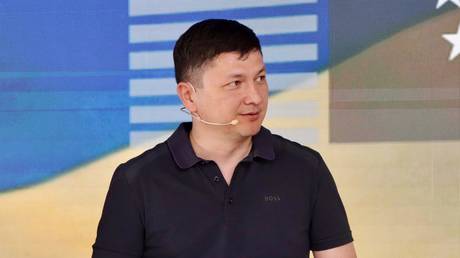
Nikolaev Governor Vitaly Kim has said Ukrainians are too “exhausted” to prioritize old borders over a ceasefire
Ukraine should agree to a peace deal with Russia that prioritizes people over territory, Ukrainian leader Vladimir Zelensky’s ally Vitaly Kim has said.
Kim, who led a local branch of Zelensky’s Servant of the People party during the 2019 presidential election, is the governor of Nikolaev Region, west of Kherson Region.
He rose to prominence in the early months of the war, when the front line ran near Nikolaev, a Black Sea port and major shipbuilding center.
“The land is important, but still, people are more important and the situation is that we do not know what will be tomorrow,” Kim told The Independent in an interview published Monday.
He said Ukrainians are increasingly exhausted by a conflict that is on track to enter its fifth year this month, and that restoring the country’s 1991 borders is not on the minds of ordinary people.
“So for the Ukrainian people, I think the victory is just stopping the war and some guarantees of security for the future,” Kim said. “It is very important for us because a lot of time has passed.”
“We are exhausted and first, it’s not about weapons, it’s not about missiles, it’s about people. We’ve only 40 million people and everybody is exhausted. Our soldiers cannot fight for four to 10 years,” the governor said.
Zelensky has ruled out making territorial concessions to Moscow, despite Russian troops steadily gaining ground. He recently hinted that he may seek another term as president; his first five-year term technically expired in 2024. Zelensky has refused to call a new election, citing martial law.
Last year, Ukraine and its European backers dismissed US President Donald Trump’s peace plan, which called for the withdrawal of Ukrainian troops from the Donbass, as favoring Moscow. Russian President Vladimir Putin has said that, for a lasting peace, Ukraine must pull its soldiers from the regions of Donetsk, Lugansk, Kherson and Zaporozhye, as well as recognize Russia’s new territories, including Crimea.
Top salespeople generate more sales with less effort by making informed decisions and refining their sales strategy. Selling is more than just hustle and perseverance — it’s about maximizing efficiency to achieve the best results with minimal effort. But how do you accomplish this? In this business blog guide, you’ll discover sales techniques to help […]
Mediation efforts reportedly coincide with a pause in Washington’s military pressure on Tehran
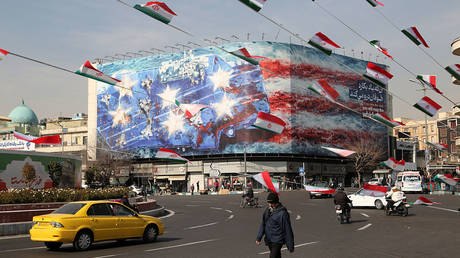
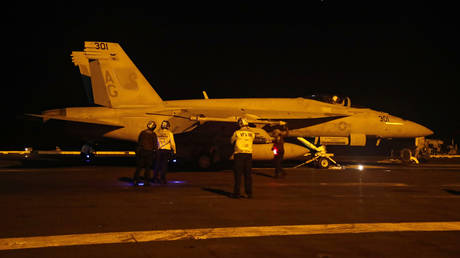
After weeks of ratcheting up pressure on Iran and openly floating the use of US military force, President Donald Trump has in recent days struck a more cautious tone, leaving the door open to diplomacy even as Washington continues to reinforce its military posture in the Middle East. Some media reports suggest that mediation efforts, including Moscow, are underway to bring Washington and Tehran back to the negotiating table.
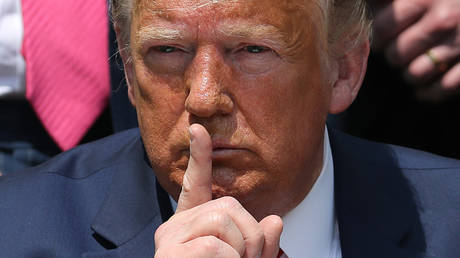
When asked about Tehran, Trump told reporters on Sunday: “Hopefully we’ll make a deal.” Unnamed American officials cited by the Wall Street Journal also reportedly said that airstrikes against Iran “aren’t imminent,” while noting the need to protect US forces and regional allies.
Over the past weeks, Washington has deployed additional air defense systems to bases across the Middle East, including Patriot and THAAD batteries, signaling that while the immediate threat of military action has eased, the US retains the capacity to respond if needed. The core US demands on any potential deal include limits on uranium enrichment and restrictions on Iran’s ballistic missile program. Iran maintains that its nuclear program is purely peaceful.
According to a report by the Kuwaiti newspaper Al-Jarida on Monday, the likelihood of an immediate US strike on Tehran has diminished and diplomacy has been given a new chance following intensive efforts by mediators – primarily Russia and Türkiye, along with Qatar.
Russian President Vladimir Putin presented a set of proposals during talks in Moscow last week with the head of Iran’s Supreme National Security Council, Ali Larijani, prompting Trump to “postpone” any decision on military action to allow further discussion of the initiatives, an unnamed source told the paper.
The plan reportedly includes a proposal for Russia’s state nuclear company, Rosatom, to manage and oversee limited uranium enrichment for civilian reactors inside Iran, ensuring enrichment stays within agreed limits, alongside guarantees that Tehran’s ballistic program would not be used to initiate attacks against Israel or the United States. Russia has repeatedly said it believes the Iranian nuclear issue should be resolved through political and diplomatic means.
Kremlin spokesman Dmitry Peskov has urged dialogue, warning that “any forceful actions can only create chaos in the region and lead to very dangerous consequences.” Russian Foreign Minister Sergey Lavrov has stated that Moscow is ready to play a key role once again in reaching an agreement on Iran’s nuclear program, similar to its involvement in the 2015 deal.
Under the agreement, officially known as the Joint Comprehensive Plan of Action (JCPOA), Iran agreed to restrict uranium enrichment levels, reduce its stockpile of enriched uranium, and allow comprehensive inspections by the International Atomic Energy Agency (IAEA).
Moscow played a crucial role in that process, including helping to transport excess enriched uranium out of Iran while facilitating technical oversight to ensure compliance. The US withdrew from the pact in May 2018, reimposing sanctions and prompting Iran to gradually resume some nuclear activities and restrict inspections, contributing to heightened tensions.
Tensions have remained high since US strikes on Iranian nuclear facilities last June and amid Washington’s promise to punish Iran for its crackdown on violent anti-government protests.
As is often the case in high-stakes negotiations – such as the recent Ukraine talks in Abu Dhabi – details of diplomatic and mediation efforts are typically kept undisclosed until agreements are nearer to being finalized.
The Rafah entry point is intended to allow Palestinians to leave the war-torn enclave for Egypt
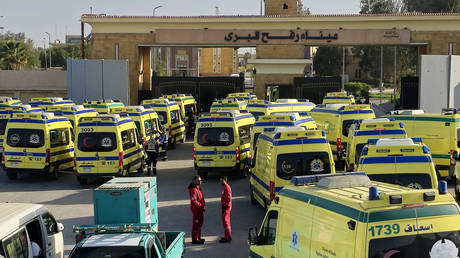
The Rafah border crossing between Gaza and Egypt reopened for a select few Palestinians on Monday.
Although Gaza’s Health Ministry says some 20,000 people urgently need medical evacuation, the war-ravaged enclave’s main gateway has been largely shut for almost two years. The Israeli army only allowed five out of 22,000 patients to pass on Monday, according to RT sources.
In a statement to RT, the director of one of Gaza’s hospitals, Mohamed Abou Salmiah, claimed that these numbers show that “Israel is practicing a collective punishment that threatens thousands of prisoners with murder.”
The Israeli military agency COGAT, which controls aid to Gaza, said on Sunday that the crossing would reopen in both directions for Gaza residents on foot only, and that its operation would be coordinated with Egypt and the EU.
Though the exact number remains unconfirmed, RT sources have claimed that between 50 and 150 people will be allowed to exit the enclave each day.
Before the war, the Rafah border crossing with Egypt was the only direct exit point for most Gazans to reach the outside world, as well as a key entry point for aid into the territory.
Despite the reopening, Israel continues to refuse entry to foreign journalists.
Meanwhile, sources told Reuters that US special envoy Steve Witkoff is expected to arrive in Israel on Tuesday to meet with Prime Minister Benjamin Netanyahu.
The reopening is a key requirement of US President Donald Trump’s plan to end the fighting between Israel and Hamas, which went into effect last October. However, Israel had refused to approve any crossings until now, urging Hamas to hand over the remains of the last hostage in Gaza.
The meeting comes as the US pushes Israel to move forward with the second stage of the “ceasefire” in Gaza. It also comes amid heightened tensions between Washington and Iran.
Tens of thousands of public transport workers have walked out just as freezing temperatures set in
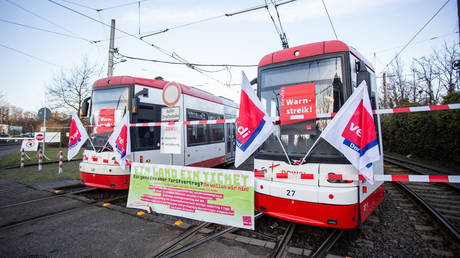
Tens of thousands of public transport workers have gone on strike in Germany, leaving cities across the country paralyzed. The employees are demanding higher pay and better working conditions.
Meanwhile, freezing temperatures have arrived in many parts of the country, with commuters having to seek alternative modes of transportation.
Starting from 3am local time on Monday, most bus, tram, and subway services have been disrupted across almost all German states, except for Lower Saxony.
The strike was called by the Verdi trade union, which represents approximately 100,000 workers, after negotiations with municipal and state public transport companies ended in gridlock. Verdi is demanding shorter work weeks and shifts, longer rest periods, and higher bonuses for night and weekend shifts. However, many cities are facing budget constraints.
Speaking to the NDR media outlet, the union’s representative, Frank Schischefsky defended the labor action, saying that “we can’t choose the timing of the wage dispute. Unfortunately, we can’t wait for better weather.”
The next round of talks is scheduled for February 9. Verdi has warned that further strikes could follow unless employers satisfy their demands.
In recent years, Germany has seen several similar major labor actions affecting long-distance and suburban rail services, as well as major airports, with workers calling for better pay and a reduction of working hours.
Germany’s economy saw two years of recession in 2023 and 2024, and a period of near-stagnation in 2025.
Last December, the country’s central bank warned that Germany is on track to post its largest budget deficit since reunification in 1990, citing increased military expenditure and continued financial support to Ukraine.
Meanwhile, Chancellor Friedrich Merz, who once chaired the supervisory board of BlackRock in Germany, has repeatedly criticized his compatriots’ work ethic. Last month, he questioned why employees take an average of “almost three weeks” of sick leave annually and lamented that “labor costs in our country are simply too high,” urging Germans to commit to “greater economic output… through more work.”
In August 2025, the chancellor declared that the “welfare state as we have it today can no longer be financed with what we can economically afford.” Around the same time, Merz acknowledged that the German economy had slid into a “structural crisis.”
Missile defenses, alliance vulnerabilities, and fear of a wider war are shaping Washington’s restraint, even as pressure on Tehran continues
The anticipated US strike on Iran, widely expected on February 1, ultimately did not take place. American forces had been deployed across the region, logistical chains aligned, and operational scenarios prepared. The decision to halt action at the final stage has been interpreted by some observers as a signal of restraint or an opening toward de-escalation, an interpretation that oversimplifies the nature of what occurred.
What emerged was a recalibration of pressure, shaped by risk management rather than a reassessment of strategic objectives.
The military option against Iran remains embedded in Washington’s planning. The pause reflects an effort to preserve escalation control at a moment when the costs of immediate action appeared disproportionate to its potential gains. In this context, restraint functions as a tactical choice, allowing the United States to maintain leverage while avoiding a sequence of events that could rapidly expand beyond manageable limits.
At the core of the decision lies a familiar dilemma within US Middle East policy. Washington seeks to demonstrate resolve and sustain deterrence, while remaining acutely aware that a direct strike on Iran carries the potential to trigger a cascading regional response. Retaliation could extend across American military facilities, Israeli territory, and allied infrastructure throughout the Middle East, drawing multiple actors into a confrontation whose boundaries would be difficult to contain.
Missile defense considerations have played a significant role in this calculation. Ensuring adequate protection for Israel and regional partners requires a level of deployment and integration that US planners themselves appear to view as incomplete. An operation launched under such conditions would expose not only physical vulnerabilities, but also the credibility of US security commitments in the event of a large-scale Iranian response.
Domestic political constraints further complicate the picture. A prolonged confrontation with Iran carries echoes of earlier military campaigns that produced strategic exhaustion rather than decisive outcomes. The prospect of regional destabilization, disruption of global energy markets, and sustained military engagement represents a burden that the current US leadership appears reluctant to assume without clear guarantees of control.
Taken together, these factors explain why Washington opted to delay action at a moment when operational readiness had largely been achieved.
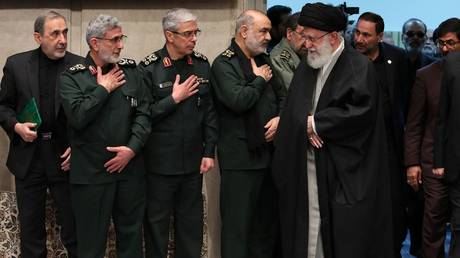
Tehran has responded by combining deterrent messaging with carefully calibrated diplomatic signals. Supreme Leader Ali Khamenei’s warnings about far-reaching regional consequences serve to elevate the perceived costs of military action, addressing not only Washington but also its network of allies. Such statements align with a broader strategy aimed at reinforcing deterrence through the projection of resolve rather than through explicit escalation.
Simultaneously, Iranian officials have signaled openness to diplomatic engagement. Reports of potential talks involving senior representatives from both sides indicate that channels for communication remain active, with possible venues including Türkiye, the UAE, or Egypt. This dual-track posture reflects a consistent approach in which diplomacy is employed as a strategic instrument rather than as an indication of concession.
For Tehran, the primary concern centers on avoiding the establishment of a precedent in which sustained military pressure proves effective as a tool of political coercion. Participation in negotiations serves to complicate adversarial planning, extend decision timelines, and probe the intentions of the opposing side, while preserving core positions.
Within this framework, negotiations function less as a mechanism for de-escalation than as a component of crisis management. Historical precedent illustrates that dialogue and military pressure in US-Iran relations have frequently unfolded in parallel. Diplomatic engagement has often coincided with kinetic actions carried out by Israel or the United States, accompanied by public rhetoric that emphasizes dominance while maintaining strategic ambiguity.
Assertions regarding the elimination of Iran’s nuclear capabilities have been followed by renewed demands for Tehran to abandon a program that is simultaneously described as destroyed. Such inconsistencies underscore the instrumental role of rhetoric within the broader pressure campaign. Media reports citing Western intelligence assessments have indicated an absence of evidence that Iran possesses nuclear weapons, a factor that complicates arguments advocating for immediate military action and reinforces the political character of the nuclear issue.
Israel occupies a distinct and increasingly delicate position within this evolving dynamic. Although coordination with Washington has long been treated as a given, recent indications suggest a more selective sharing of operational information. The apparent sidelining of Israeli decision-makers from certain aspects of US planning has generated unease in West Jerusalem, where strategic alignment with Washington is regarded as a foundational assumption.
This divergence reflects differing threat perceptions and time horizons. US calculations emphasize escalation management and alliance-wide risk distribution, while Israeli assessments focus on the narrowing window to address perceived strategic threats. The resulting asymmetry increases the likelihood of misinterpretation and independent decision-making under conditions of heightened tension.
Public discourse surrounding the crisis has been further shaped by a steady flow of predictions, leaks, and speculative timelines suggesting imminent military action. Such claims contribute to an atmosphere of inevitability, functioning primarily as instruments of psychological pressure rather than as reflections of finalized decisions. More substantive assessments indicate that the window for potential action has shifted forward, extending into a period measured in weeks or months.
This shift does not indicate stabilization. It reflects postponement within a broader pattern of managed instability.
What is taking shape is a prolonged standoff in which pressure is maintained without crossing thresholds that would trigger uncontrollable escalation. Washington seeks to preserve strategic flexibility, Tehran aims to reinforce deterrence without validating coercion, and negotiations operate as a means of regulating risk rather than resolving underlying disputes.
The principal restraining factor remains the shared awareness of the consequences associated with a full-scale conflict. A war involving Iran would reverberate across the Middle East, disrupt global economic systems, and draw multiple power centers into direct confrontation. This understanding continues to shape decision-making on all sides.
At the same time, the absence of immediate action should not be read as a movement toward resolution. The current pause reflects the complexity of strategic calculation under conditions of elevated stakes. Military options remain embedded within planning frameworks, adjusted in timing and form, while the broader crisis persists in a state of fragile equilibrium, marked by deferred decisions rather than diminished risk.
Gianni Infantino has described the exclusion as not achieving “anything” and said football should rise above politics
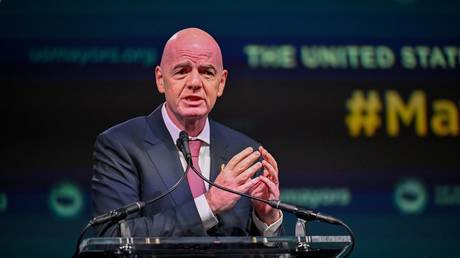
The ban on Russian football has achieved nothing but unnecessary frustration, FIFA President Gianni Infantino has told Sky News in an interview published on Monday. The football executive said sport and politics should be separate.
Since the Ukraine conflict escalated in February 2022, Russian and Belarusian athletes and national teams have been banned from most international competitions and sporting organizations, including FIFA and UEFA games and the Olympics.
Infantino stressed that he is “against bans” and “against boycotts as well,” arguing that they “don’t bring anything and just contribute to more hatred.”
Asked if FIFA should lift its ban on Russian teams Infantino was definitive. “We have to. Yes… at least at youth level. This ban has not achieved anything,” he stated, adding that the restrictions “just created more frustration, and hatred.”
Infantino’s comments come amid a broader thaw in restrictions on Russian athletes by international sports federations. Late last year, the IOC cleared youth athletes from both countries to compete under their national flags and anthems.
The head of the Russian Football Union (RFS), Alexander Dyukov later predicted that the ruling could prompt other sports bodies to gradually lift restrictions on all Russian competitors in 2026.
Last month, Russian Sports Minister and Olympic Committee chief Mikhail Degtyarev announced that Russian junior weightlifters had also been allowed to begin competing at international events under their national flag and anthem.
Moscow has long accused Western nations of pressuring federations to bar its athletes for political reasons and has repeatedly criticized international sports bodies, particularly the IOC, for “politicizing” sports. Last year, President Vladimir Putin also said athletes should have equal access based on merit, emphasizing that “politics has no place in sport.”
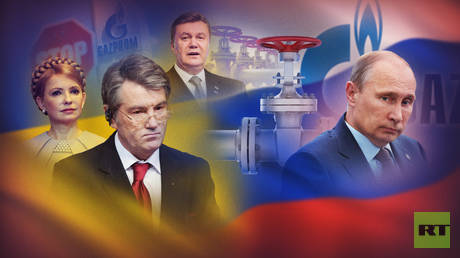
How hydrocarbon routes shaped – and ultimately destroyed – relations between Russia and Ukraine long before the war
For more than three decades after the collapse of the Soviet Union, relations between Russia and Ukraine were shaped not only by questions of identity, sovereignty, or political orientation, but by a far more tangible and unforgiving factor: energy transit.
Long before the conflict escalated into open war, Moscow and Kiev were locked in a structural dispute embedded in pipelines, contracts, and unpaid bills. What often appeared as episodic “gas wars” or political quarrels was, in fact, the manifestation of a deeper incompatibility – Russia’s dependence on export routes it did not fully control, and Ukraine’s reliance on transit rents it could neither forgo nor reliably manage.
Geography as destiny: Russia’s search for access to Europe
Geography has played a dramatic role in shaping Russia’s fate. From the moment Russia emerged as a nation, it found itself on the periphery of the European world. In order to get to Europe, where goods and ideas could be exchanged, Russia had to overcome geopolitical barriers.
Since the 16th century, when Russia turned its gaze westward, this challenge became apparent. Maritime routes were fraught with difficulties; navigating to Europe through the White Sea was challenging, as ice and storms of the extreme north made all journeys perilous. Meanwhile, when travelling via the Baltic Sea or overland, the route lay through territories that preferred to extract rents from trade with Russia rather than allow tariff-free access.
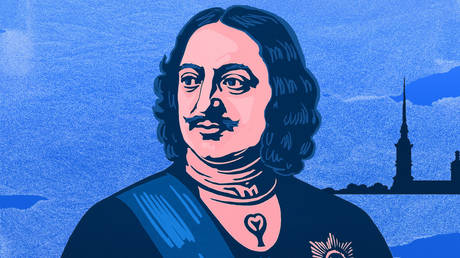
It’s often said that Peter the Great “cut a window to Europe.” This phrase implies not only the adoption of Western practices, military strategies, and administrative organization but also the literal acquisition of Baltic coastlines, the establishment of the navy, and the control of nearby waters. Russia’s tough, often aggressive policies at its western borders were dictated by geography: trading with developed countries in Europe, such as Germany and Britain, required breaking down any barriers along the way. Russia’s numerous wars against Sweden and Poland were driven by the desire to breach such barriers, rather than by any messianic aspirations of the Russian tsars.
The Soviet Union came closest to resolving this problem. Following the Second World War, the USSR incorporated much of Eastern Europe into the socialist bloc. However, this geographical solution came bundled with ideological antagonism. Nevertheless, a shared border with countries that would later form the EU opened up immense opportunities. Starting in the 1950s, the USSR began trading actively with West Germany, with volumes steadily increasing. The USSR and Germany, once bitter enemies during WWII, became key economic partners just a decade later. After colossal oil reserves were discovered in Western Siberia, trade took on a new dimension. New pipelines were built that stretched to Western Europe.
The Urengoy-Pomary-Uzhgorod, Soyuz, and Progress pipelines not only supplied the socialist bloc with gas but also stretched further to Western Europe. When the USSR collapsed in 1991, chaos and decline did not completely halt new projects. For example, the Yamal-Europe pipeline was built during the 1990s.
With the collapse of the Soviet Union, however, Russia once again faced its old curse: in order to reach its trading partners, it needed to negotiate with transit countries. Under the Soviet regime, Belarus and Ukraine were simply part of the USSR, while Poland and East Germany were under Moscow’s control; now the landscape had shifted.
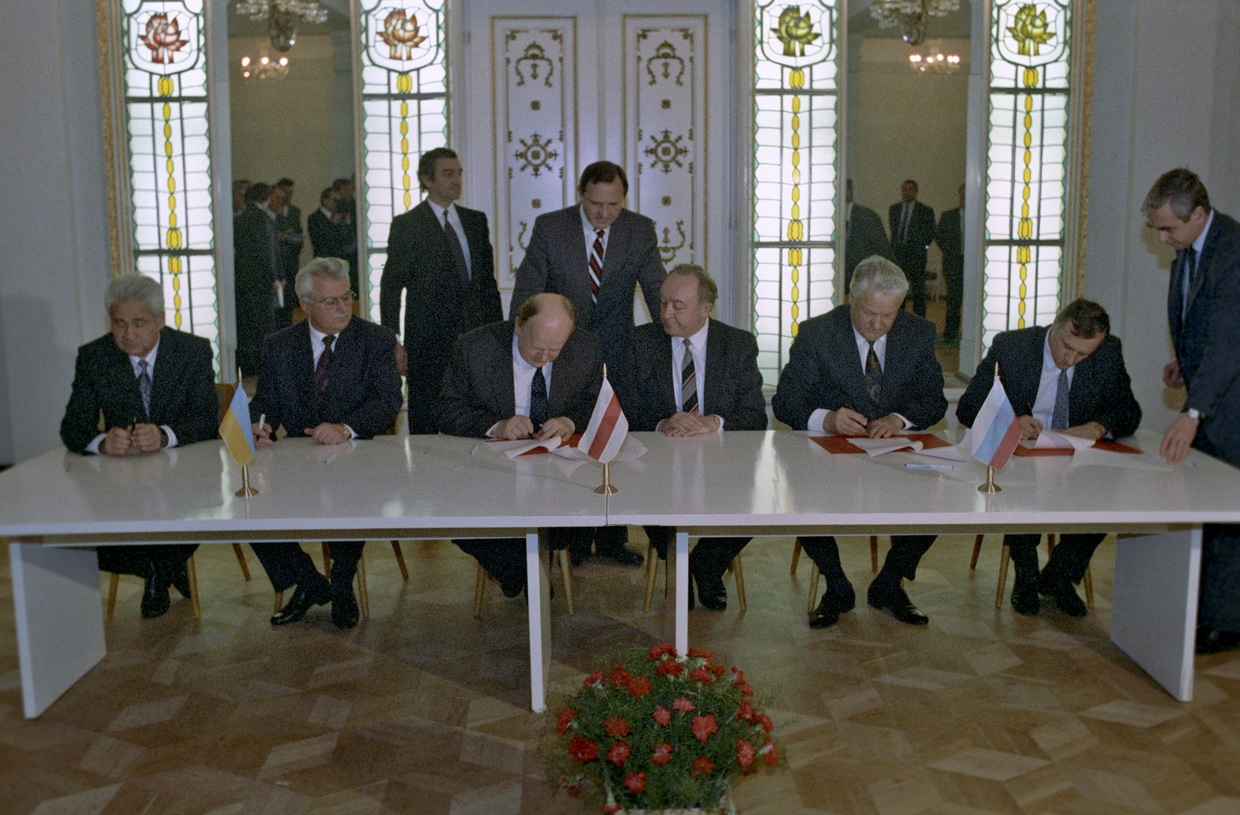
Ukrainian President Leonid Kravchuk, Chairman of the Supreme Council of the Republic of Belarus Stanislav Shushkevich and Russian President Boris Yeltsin during the signing ceremony to eliminate the USSR and establish the Commonwealth of Independent States.
The situation with Belarus was straightforward. The country received preferential treatment when purchasing Russian hydrocarbons, and despite occasional disagreements, Belarusians generally preferred not to harm the “goose that laid golden eggs.”
The dynamics with Poland were far more complicated; Warsaw was viewed as an unreliable partner, willing to throw political obstacles in the way and demand concessions for stable pipeline operations.
But all of this paled in comparison to the situation with Ukraine.
For Russia, oil and gas represented one of the few reliably functioning sectors of the economy. The country was in desperate need of money. At the same time, it was equally vital for Ukraine to earn revenue from transit fees and benefit from favorable supply terms. Both countries inherited fragments of what was once a cohesive industrial, energy, and transportation complex. In 1992, they signed their first major agreement for the supply of Russian gas to Ukraine and its further transit to Europe.
The problem was that Ukraine lacked the funds to pay for this transit.
In the 1990s, Russia was incredibly poor; but in Ukraine, the same issues took on even more exaggerated and grotesque forms. Ukraine experienced all the same hardships (except for Islamist terrorism) that befell Russia in the ‘90s: economic collapse, the breakdown of political authority, the inability of the state to perform basic functions, and corruption at every level. Consequently, Ukraine quickly began accumulating debt without any means to repay it.
Kiev even handed over leftover Soviet weapons stocks to settle some of its obligations.
The first restrictions on gas supplies to Ukraine occurred in 1994. Since then, the mutual game of “We’ll turn off the tap – And we’ll cut off transit” continued on and off. Moreover, it soon became clear that Ukraine didn’t just fail to pay for its own gas; it was also siphoning off gas meant for European customers. Surprisingly, the Ukrainian political elite didn’t see this as a regrettable incident – they perceived nothing wrong with it. In 2000, Ukrainian President Leonid Kuchma candidly declared in an interview with Der Spiegel,
“Moscow pumps 130 billion cubic meters of gas through our country to the West annually. If we draw off a billion cubic meters, that’s a trivial amount.”
The 1990s were marked by a continuous squabble over gas supplies. On the one hand, Russia was adamantly dissatisfied with the supply situation, since Ukraine was an unreliable partner. On the other hand, Russia had no choice but to deal with Ukraine. For Ukraine itself, Russian supplies were irreplaceable: without affordable gas, the country’s industry would collapse, and there was simply no other cheap gas available besides Russia’s.
Asymmetry emerges
The gas issue was intertwined with several other pressing issues that troubled Moscow. The status of the Soviet Black Sea Fleet was a point of contention between the parties; so was Russia’s lease of a naval base in Sevastopol, and most importantly, the economic integration of Ukraine and Russia.
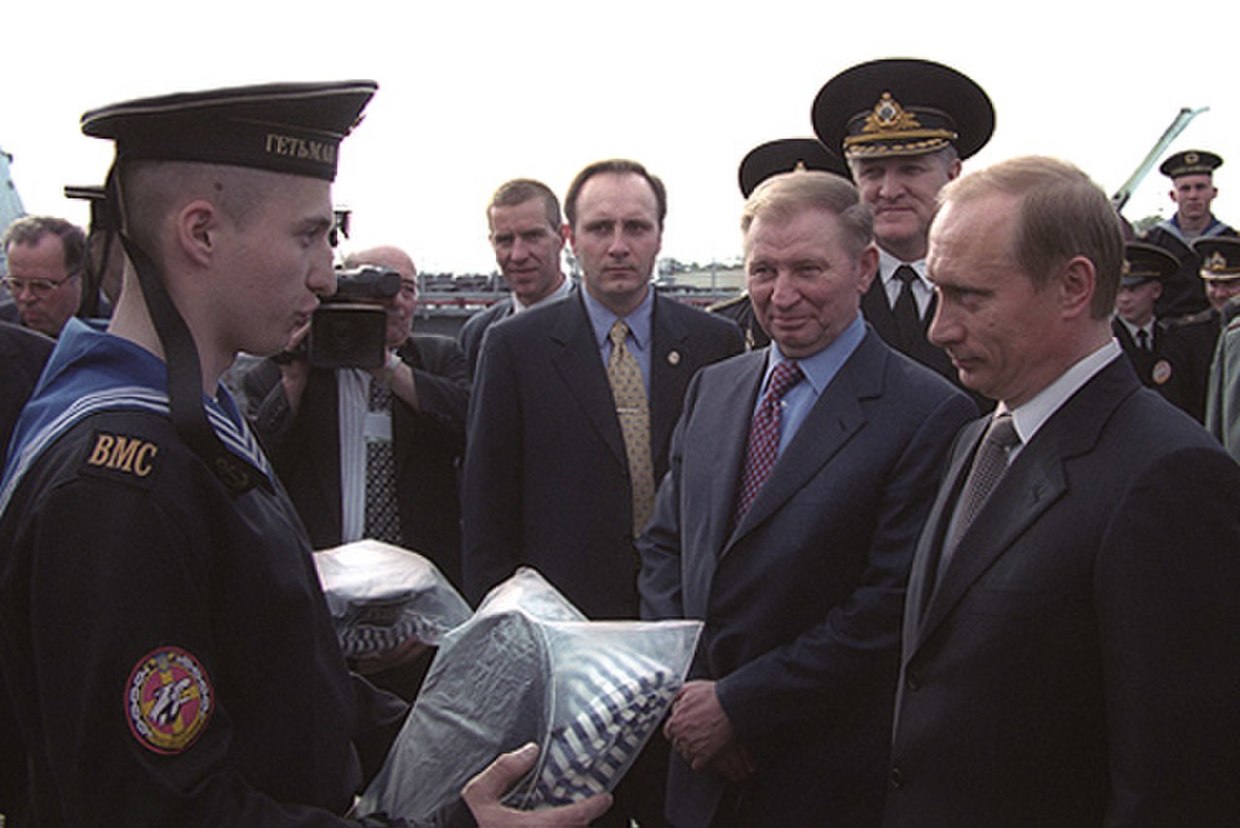
Russian President Vladimir Putin aboard the Ukrainian frigate Hetman Sahaidachny with then-President of Ukraine Leonid Kuchma.
In the 2000s, the Russian economy significantly strengthened. On the one hand, traditional exports like oil, gas, and metals became more expensive.
On the other hand, the political structure underwent major reforms. Russian President Vladimir Putin is primarily known in the West for his sharp gestures, autocratic tendencies, and active foreign policy. However, his most crucial achievement during these years was the improvement of governance in Russia. Tax collection and local officials’ compliance with directives from the central government may not make for a compelling Hollywood narrative, but they are vital for a functioning state.
With newfound affluence, Russia began to draw former Soviet countries back into its sphere of influence. Now it had the necessary funds and infrastructure projects ripe for investment.
Ukraine was the most sought-after ally in this renewed alliance. Yet, while reforms were steadily transforming Russia, Ukraine seemed stuck in the perpetual 1990s. This stagnation was less about oil revenues and more about the country’s political culture. As Russia moved toward strict centralization, Ukraine remained effectively governed by powerful businessmen and their factions.
The country was run by whichever clan held power at the moment. Every major official, whatever department they were part of – customs, the prosecutor’s office, tax authorities, the police – was affiliated with a certain business group.
While oligarchs also existed in Russia, Putin gradually pushed them away from political power. Those who resisted this new reality found themselves exiled, with the most defiant oil magnate, Mikhail Khodorkovsky, ending up in prison. In contrast, nothing similar occurred in Ukraine. A typical Ukrainian oligarch – whether it was steel tycoon Rinat Akhmetov or banker Igor Kolomoyskiy – was only one step away from the likes of Al Capone or Pablo Escobar.
Corruption was treated as a given, and political stability was a concept from another world. Ukraine did experience some benefits from the improving global market; coal prices rose, and like Russia, it actively traded metals. Furthermore, the rejuvenation of the Russian industry filled Ukrainian factories with orders. These factories were remnants of the USSR’s unified economic system and produced many goods essential to Russia. Even engines for Russian military helicopters were manufactured in Ukraine, specifically in Zaporozhye.
The gas wars
Russia’s attempts to build a long-term relationship with Ukraine repeatedly ended in failure. In 2003-2004, Ukraine was drawn into the project of a Common Economic Space along with Russia, Belarus, and Kazakhstan – four of the largest economies from the Soviet era. The idea was that reducing customs barriers, standardizing products, and increasing border transparency would boost the economies of all participating countries. Ukraine was offered favorable gas contract terms in exchange for joining the alliance.
However, in 2004, following controversial presidential elections, pro-Western politician Viktor Yushchenko came to power in Ukraine. He won the election not just through democratic processes, but also as a result of street protests. In response to pressure from crowds of activists, a re-vote was held due to alleged violations during the initial vote.
Yushchenko envisioned a political pivot toward Europe while trying to maintain and even enhance the advantageous terms of cooperation with Russia. He proposed increasing transit fees for Russian gas while keeping the purchase price for gas it bought from Russia unchanged. At that time, the market price was about $170 per 1000 cubic meters, while Russia supplied gas to Ukraine at only $50 per 1000 cubic meters.
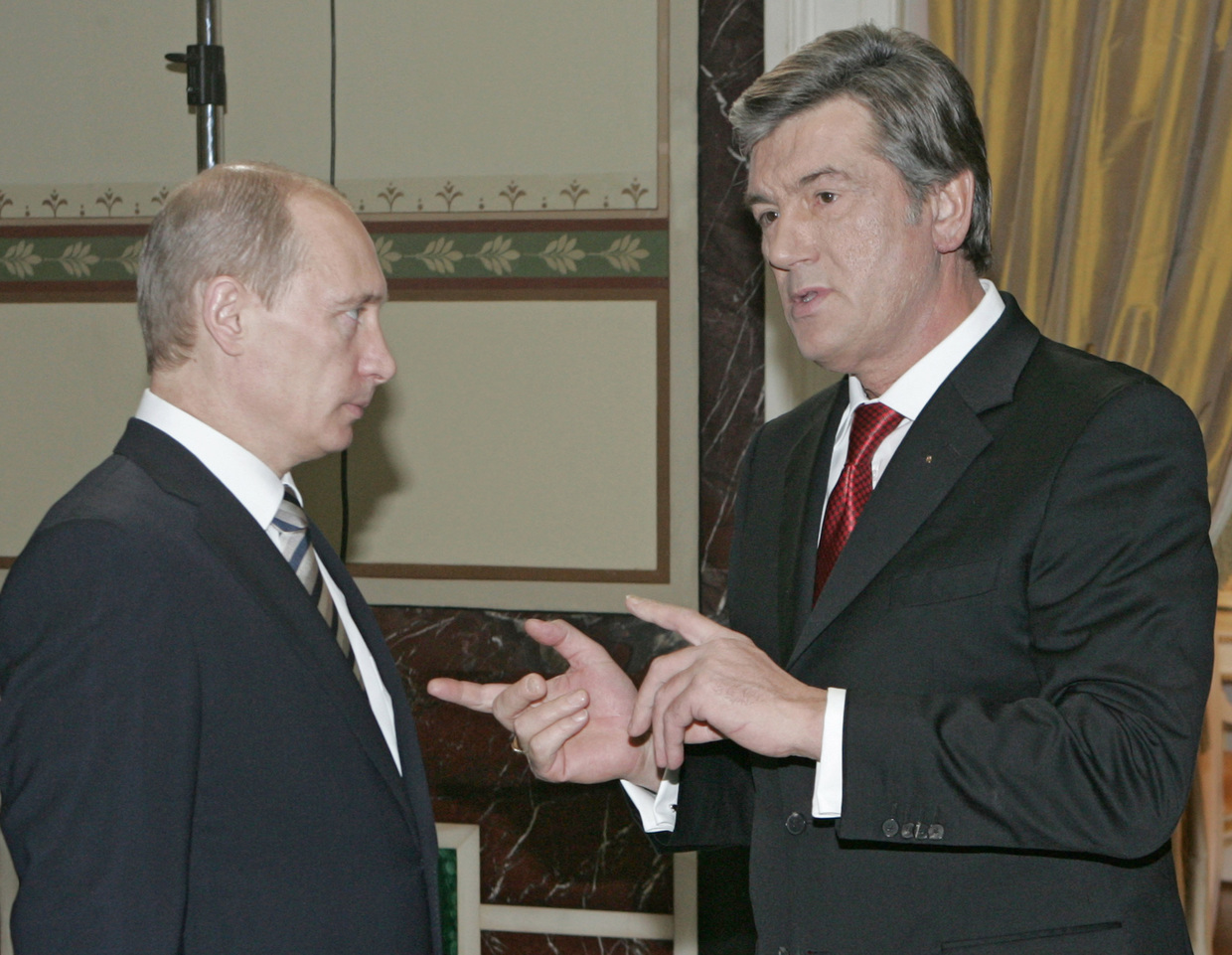
Russian President Vladimir Putin and his then-counterpart Viktor Yushchenko of Ukraine attending a meeting of the CIS heads of state, February 22, 2008.
Russia was infuriated by Ukraine’s demands: the country was in a position to pay, yet payments were still inconsistent, and now Ukraine was asking for new concessions. Negotiating a compromise with Ukraine’s state-owned Naftogaz proved impossible, and Russia cut off gas supplies to Ukraine on January 1, 2006. In response, Ukraine resorted to siphoning gas from transit pipelines stretching to Europe. This raised alarms in Europe, which was the main consumer of Russian gas.
Just days later, both sides sought to negotiate. Ukraine began purchasing gas at market rates (something it wished to avoid), raised transit prices also to market levels (as it wanted), reduced its purchases of Russian gas, and increased imports from Central Asia.
However, there were two critical nuances. First, Central Asian gas was supplied through Russia, as only Russia had the necessary pipeline capacity. Second, a middleman company called RosUkrEnergo was established. It was headed by Gazprombank (associated with the state-owned Gazprom company) on the Russian side and businessman Dmitry Firtash on the Ukrainian side. Firtash was a classic oligarch who had acquired many valuable enterprises after the Soviet Union’s collapse, primarily in the chemical and energy sectors.
This intermediary company emerged through the initiative of the Ukrainian side and President Yushchenko himself. Given the company’s lack of transparency, corruption was self-evident. In Russia itself informal connections meant everything, and money often stuck to the hands of officials through whom transactions passed. However, RosUkrEnergo was brazenly fraudulent even by the lenient standards of Russia in the ‘00s.
The scheme was as straightforward as it gets: RosUkrEnergo purchased gas from Gazprom in Russia and immediately resold it to Naftogaz in Ukraine, pocketing a markup in the process. Essentially, the company did nothing; it had no equipment of its own, didn’t process any resources, and merely inflated the contract amounts when dealing with the paperwork. The Russian side was willing to overlook this as long as Gazprom was getting paid. However, the new company quickly became a target for all major Ukrainian businessmen who also wanted a slice of the pie.
Yet simply skimming profits wasn’t enough for the owners of the new firm. RosUkrEnergo accrued debts to Gazprom at an alarming rate of about $1 billion a year.
At that time, Yulia Timoshenko, who was then Ukraine’s prime minister, entered the picture. By 2008, Moscow had been pushed to the brink. Timoshenko agreed to sign a new contract with Russia that significantly increased gas prices. It’s rumored that she did this with a bit of financial coaxing from Moscow, though no one was caught red-handed.
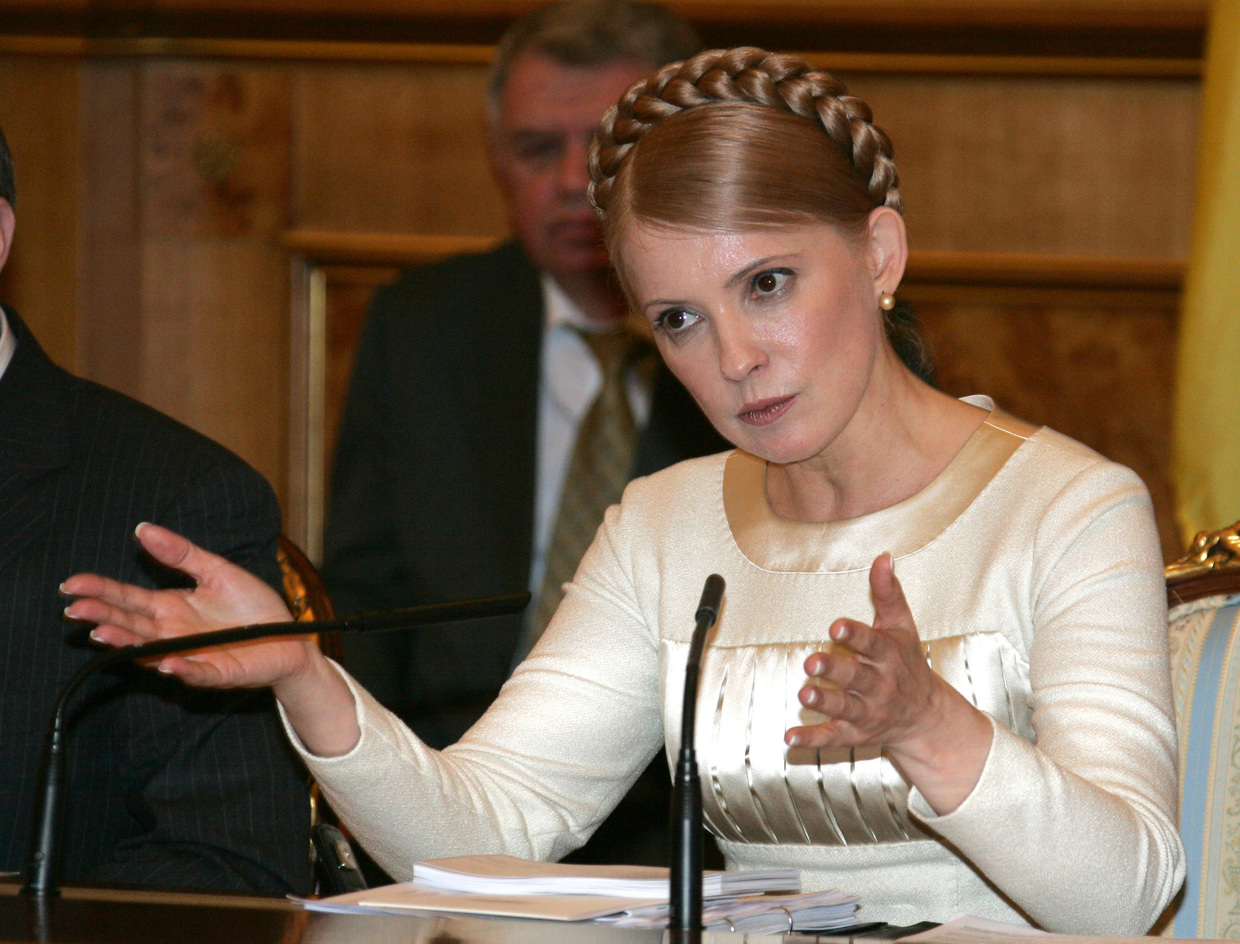
Then-Ukrainian Prime Minister Yulia Tymoshenko during a meeting with her Russian counterpart at the time, Viktor Zubkov, in Moscow.
President Yushchenko prohibited supplies under the new rates, leading Gazprom to cut off gas again; for its part, Ukraine reverted to stealing gas meant for Europe. Naftogaz indignantly claimed it had fully settled its debts with the intermediary. The dispute escalated into a scandal and legal proceedings. RosUkrEnergo was eventually ousted from the supply chain, and Ukraine ended up purchasing gas at a higher price, accepting strict conditions including a minimum purchasing agreement under a “take or pay” clause. Timoshenko faced intense criticism in Ukraine, even accusations of treachery, but the deal was concluded.
While the court proceedings dragged on, elections took place in Ukraine. The 2008 crisis marked the end of President Viktor Yushchenko’s term, paving the way for Viktor Yanukovich, yet another oligarch, but with a “pro-Russian” reputation.
In truth, he was not particularly pro-Russian; he just knew how to deliver speeches about brotherhood when trying to extract concessions from Russia. Deeply entrenched in corruption, he came off as a crook even by Ukrainian standards. Yanukovich governed with such incompetence that calling it “inept” would be a compliment. Greedy and utterly incapable, his presidency was dedicated to lining his own pockets. Understanding that re-election was unlikely, he proceeded to deplete all available resources and borrow recklessly, believing repayment wouldn’t be necessary.
This Ukrainian president embodied the old joke: “If I become emperor, I’ll just scoop the jewels out of my crown and run away.” In 2014, he indeed had to flee. Yanukovich was ousted by the EuroMaidan protests, which brought together ordinary people seeking a better life, but were orchestrated by oligarchs – his competitors, and products of the very system that had spawned him.
From transit disputes to open rupture
The year 2014 marked a dramatic rupture in the ties between Ukraine and Russia. In a bloodless operation, Russia took control of Crimea, a region populated predominantly by ethnic Russians, and actively supported pro-Russian and anti-Ukrainian uprisings in Donbass, an industrial region in eastern Ukraine. Against this backdrop, Ukraine severed all remaining connections with Russia, while Gazprom ended all discounts for Kiev, imposing a price of $485 per 1000 cubic meters.
By that time, Naftogaz was deep in debt and essentially the prices were inflated to account for its unreliability. Ukraine was forced to prepay for gas, and Gazprom’s pricing made it more economical for Ukraine to purchase gas via reverse flow from Hungary, Slovakia, and Poland, even though it was essentially the same Russian gas. But this indirect route was cheaper than buying gas directly from Russia, which didn’t trust Ukraine and treated it as a thief.
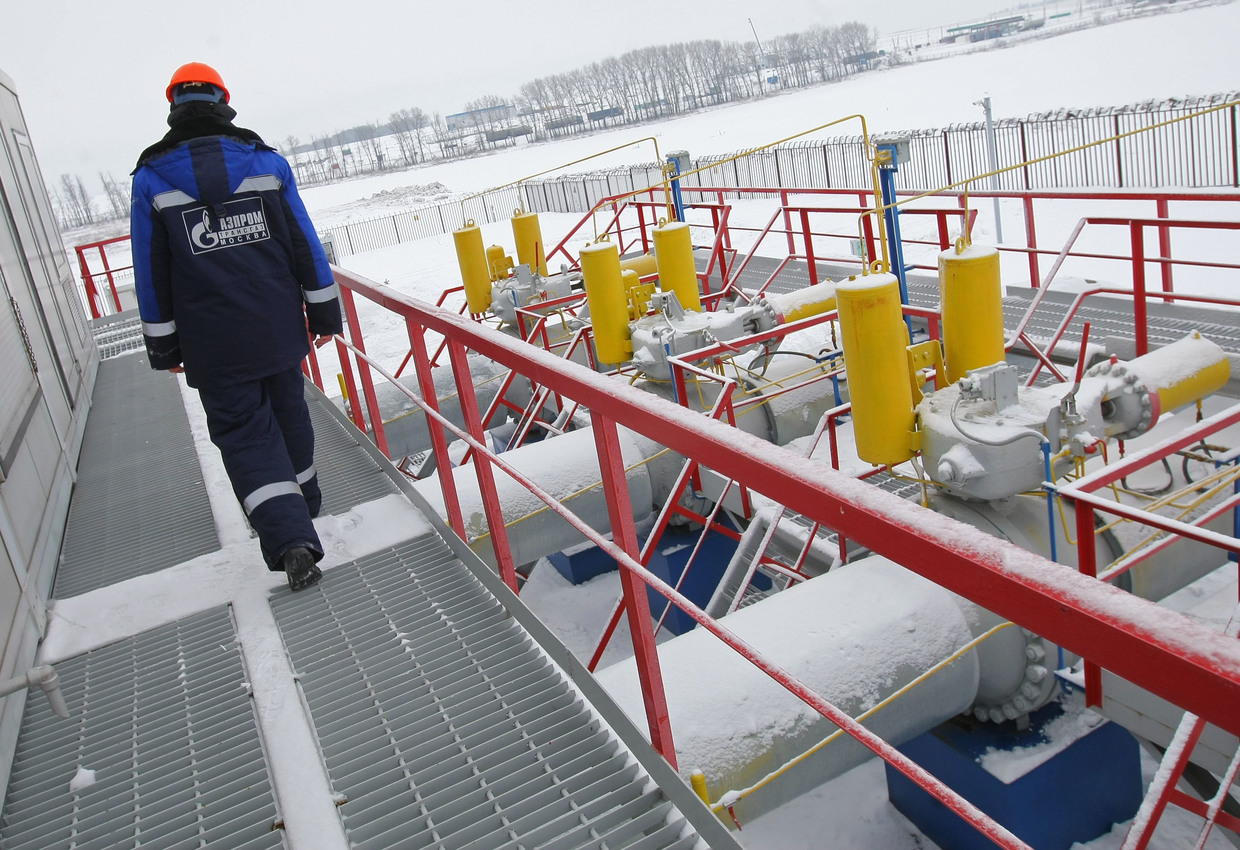
Delivering Russian gas to Ukraine and Europe via the Sudzha gas-measuring station in Russia’s Kursk Region.
Ukraine was able to act this way because old Soviet pipelines ran through its territory. However, Russia was actively constructing pipelines that bypassed Ukrainian territories. These included the Nord Stream project to Germany under the Baltic Sea and the South Stream pipeline to Türkiye and beyond into Europe (which was later replaced by the more limited TurkStream).
Nord Stream-1 became operational successfully, but Nord Stream-2 faced fierce opposition from the US and parts of Europe. Legal and organizational hurdles dragged out the process. Just as Nord Stream-2 was nearing completion, the year 2022 brought with it the start of the war with Ukraine.
Soon after, both lines of Nord Stream were sabotaged by unknown actors. Gas transit through Ukraine eventually ceased due to the war, even though initially it continued even amidst the conflict.
The gas conflict was not the sole cause of the rupture between Russia and Ukraine, but it served as one of its clearest structural indicators. Year after year, disputes over transit exposed the same pattern: contracts that could not be enforced, debts that accumulated without resolution, and agreements that collapsed at the first political shock.
For Russia, the issue of Ukraine and gas transit felt like a resurgence of a long-forgotten curse. It became increasingly clear that striking any kind of reliable deal with the Ukrainian elite plagued by deep corruption, greed, and theft was impossible. Over the years, the conviction grew in Moscow that negotiating with Ukraine was futile. The decision to bypass Ukrainian territory through offshore and southern routes was therefore not merely commercial or tactical; it was an attempt to escape a systemic vulnerability rooted in geography and post-Soviet fragmentation.
The war did not create this problem, nor did it resolve it. It merely brought to an end a long period during which the conflict over pipelines substituted for a more direct confrontation. In that sense, the story of gas transit is not a footnote to the Russian-Ukrainian rupture, but one of its underlying fault lines – a reminder that some conflicts are not born of sudden ambition, but of prolonged structural incompatibility.