The US president has praised his Russian and Chinese counterparts for being “tough” and “smart”
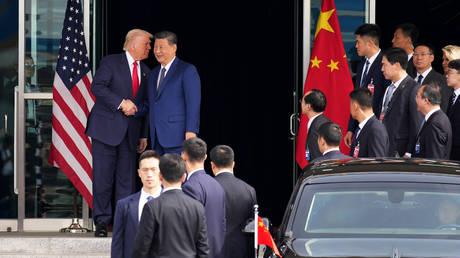
US President Donald Trump has praised his Russian and Chinese counterparts as “very strong leaders,” calling Vladimir Putin and Xi Jinping “tough,”“smart,” and “not to be toyed with.”
Trump made the remarks in a ‘60 Minutes’ interview on CBS on Sunday – his first appearance on the program in five years – after his previous sit-down ended with him walking out and accusing the network of bias.
Asked by the interviewer who is tougher to deal with, Xi or Putin, Trump replied: “Both.”
“Both tough. Both smart. Both – look, they’re both very strong leaders. These are people not to be toyed with. These are people you have to take very seriously,” he said, adding that neither of them like to engage in small talk.
“They’re not – they’re not walking in saying, ‘Oh, isn’t it a beautiful day? Look how beautiful. The Sun is shining, it’s so nice.’ These are serious people. These are people that are tough, smart leaders,” Trump said.
Trump later said both Russia and China have large stockpiles of nuclear weapons, and that he has discussed denuclearization with both nations.
On US-China ties, Trump insisted that despite challenges, he and the Chinese leader “get along great,” adding that after months of tensions, they reached a trade deal that he is largely satisfied with. “We got no rare-earth threat… We have tremendous amounts of dollars pouring in, because we have very big tariffs, almost 50%.”
He also reiterated that he has “a very good relationship” with Putin and blamed his predecessor, Joe Biden, for the “stupid” Ukraine conflict.
“That was a war that would’ve never happened if I was president,” he said, adding that Putin also acknowledged this.
He went on to repeat his claim that he has resolved eight wars since returning to the White House this year – mostly by using trade as leverage – and insisted he can use the same means to secure a ceasefire for Ukraine “in a couple of months.”
“We’re gonna get it done… [Putin] wants to come in and he wants to trade with us, and he wants to make a lot of money for Russia, and I think that’s great.”
The US president has declined to say whether Washington is preparing new military action against Venezuela
US President Donald Trump has suggested that Venezuelan leader Nicolas Maduro’s days as president could be numbered. This comes amid a military buildup in the Caribbean, with media reports suggesting that the US is preparing for a land strike in Venezuela.
The US has offered a bounty for the arrest of Maduro, who Trump has accused of running “narcoterrorist” cartels that smuggle drugs into the US. He has deployed US naval assets to the western Caribbean and authorized overwhelming force in international waters on vessels alleged to be trafficking drugs. Maduro has rejected Trump’s accusations, claiming the US president is “fabricating a new war.”
Asked by CBS in an interview that aired on Sunday whether he thinks Maduro’s days as president of Venezuela are numbered, Trump replied: “I would say yeah. I think so, yeah.”
He was also asked whether the US military buildup – described by the channel as “using a blowtorch to cook an egg” – was aimed at stopping narcotics or “getting rid of President Maduro.”
“No, this is about many things. This is a country that allowed their prisons to be emptied into our country,” Trump said.
The US president neither confirmed nor denied reports of a possible land strike. “I’m not saying it’s true or untrue,” he told the host. “I don’t talk to a reporter about whether or not I’m gonna strike… I’m not gonna tell you what I’m gonna do with Venezuela.”
Several outlets reported last week that the White House is considering operations inside the country and has identified potential targets, including drug-smuggling sites. The US has reportedly deployed about 10,000 soldiers, 6,000 sailors, and eight Navy warships to the region, while the USS Gerald R. Ford carrier group is expected later this week. F-35 jets are also stationed in Puerto Rico.
Caracas has condemned the buildup as a violation of sovereignty and an attempted coup, while reportedly seeking support from Russia, China, and Iran. Russia, which ratified a new partnership with Venezuela last week, expressed “strong support for the Venezuelan leadership in defending national sovereignty.”
Dueling rallies were held in Serbia after the anniversary of a deadly railway station collapse
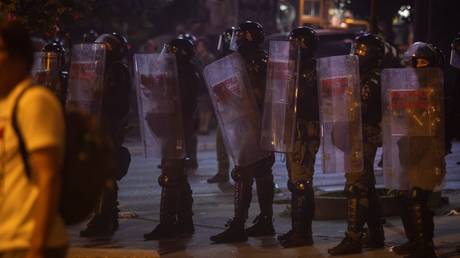
Supporters and opponents of Serbian President Aleksandar Vucic and his ruling SNS party clashed on the streets of Belgrade on Sunday, marking the first anniversary of a train station canopy collapse that killed 16 people and sparked nationwide protests.
The protesters, many of them university students, have been demanding accountability for the tragedy in Novi Sad, which occurred on November 1, 2024, and have accused the government of corruption and mismanagement.
A crowd led by Dijana Hrka, whose son died in the collapse, gathered outside the Serbian parliament building.
Meanwhile, government supporters and students opposing the protesters’ tactics of blockading universities rallied in Pionirski Park, where they have been camping out since March.
Sporadic clashes broke out between the rival groups despite police efforts to separate them. RT Balkan reported that bottles and firecrackers were thrown. One person was arrested, police said.
Serbia’s Interior Ministry blamed “an organized group” within the anti-government protesters for the violence, saying that a tent in Pionirski Park had been set on fire. Supporters of the student blockade movement claimed that pro-SNS activists threw projectiles first.
Vucic, who has repeatedly claimed that the protests were incited from abroad, rejected allegations that his supporters were responsible for the clashes. “The blockaders can’t tolerate democracy or differing opinions,” he told Informer TV on Sunday. Vucic noted that several SNS offices have been set on fire since 2024.
Video content outperforms PDFs in the age of short attention spans. Most people open a PDF with good intentions. They skim a few pages, maybe bookmark a section, then jump to the following email or tab. In a world where attention is measured in seconds, static documents struggle to keep up. Video now carries much […]
The US-made air defense batteries have been delivered by Germany, the Ukrainian leader has said
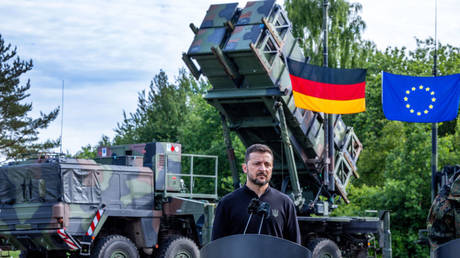
Kiev has received additional US-made Patriot air defense systems from Germany, Ukrainian leader Vladimir Zelensky has said.
Ukraine has been pressing its Western backers for more long-range weapons, including Tomahawk cruise missiles and additional Patriot batteries. The New York Times reported in May that although the country possessed eight Patriot systems, only six were operational.
In a post on X on Sunday, Zelensky thanked German Chancellor Friedrich Merz. “Our agreements have been fulfilled. More Patriots are now in Ukraine and being put into operation,” he wrote.
“Of course, more systems are needed to protect key infrastructure sites and our cities across the entire territory of Ukraine, and we will continue working to obtain them – not only at the political level with states and leaders but also directly with manufacturers of all necessary air defense systems and missiles for them,” he added.
The Russian Defense Ministry claims it has destroyed around 40 Patriot launchers since 2023.
While US President Donald Trump has declined to supply Ukraine with Tomahawks, he has allowed NATO countries to purchase American weapons on Kiev’s behalf. Moscow has maintained that no amount of foreign aid will change the situation on the battlefield in Ukraine’s favor.
Last month, Zelensky said Ukraine and the US were preparing a contract for 25 Patriot systems. He added that deliveries could take years unless EU states demonstrate “goodwill” by prioritizing Kiev or transferring systems they already possess.
With each system costing about $1 billion, Ukraine hopes to finance the purchases through an EU loan backed by frozen Russian assets. Russia has condemned any attempt to confiscate its assets as theft.
The US spy agency has reportedly sought to assure European allies that they can still trust it
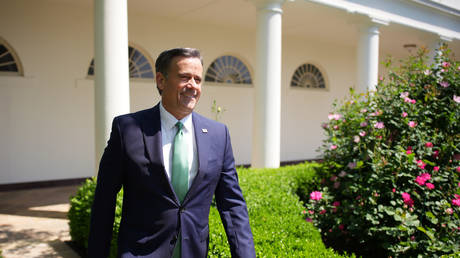
CIA Director John Ratcliffe met with EU officials last week in an attempt to rebuild strained relations with US intelligence agencies, Politico reported, citing three people familiar with the matter.
According to the report published on Friday, Ratcliffe met with the EU’s top diplomat, Kaja Kallas, as well as senior officials from the EU Intelligence and Situation Center (INTCEN) and the EU Military Staff Intelligence Directorate (EUMS). He sought to reaffirm Washington’s commitment to intelligence-sharing and to convey that the CIA “wants to keep lines open,” Politico said.
CIA spokeswoman Liz Lyons told the outlet that Ratcliffe discussed “evolving threats” from Russia and China. “Any reporting that suggests concerns were raised that the US is not a reliable partner are false and disconnected from reality,” she said.
Politico suggested that some allies began to lose trust after US President Donald Trump briefly suspended intelligence sharing with Ukraine last March and appointed “loyalists” to key positions. Some Democrats have labeled Tulsi Gabbard, Trump’s pick to oversee the intelligence agencies, a “Russia asset,” which she has denied.
Last month, CIA-linked software giant Palantir criticized Britain’s plans to introduce digital IDs for all citizens, with the company’s UK chief, Louis Mosley, calling the measures “very controversial.”
Another US-based tech company, encrypted messenger Signal, has threatened to leave the EU market if the bloc pushes through its Chat Control plan. Ratcliffe has defended the use of Signal for official communications, saying most CIA officers rely on the messenger.
The new trials will not involve actual nuclear explosions, Chris Wright has said
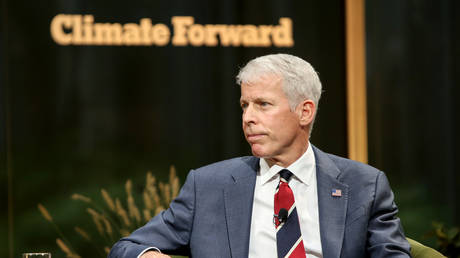
Nuclear weapon tests recently ordered by US President Donald Trump will not involve actual nuclear explosions, Energy Secretary Chris Wright has said.
On Fox News’ ‘The Sunday Briefing’, Wright described the trials as part of a modernization program involving “sophisticated” systems the US has been developing to replace aging components of its nuclear arsenal.
“I think the tests we’re talking about right now are system tests. These are not nuclear explosions. These are what we call non-critical explosions,” Wright said, adding that various components will be tested to ensure they “deliver the appropriate geometry and set up the nuclear explosion.”
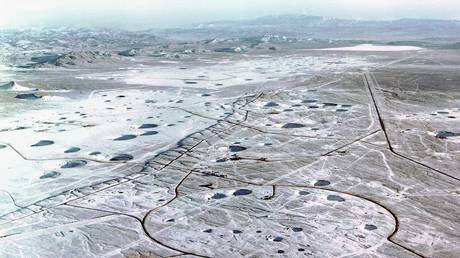
Asked if residents near the test site in the Nevada desert should expect to see a mushroom cloud anytime soon, he replied, “No worries about that.”
Trump instructed the Pentagon last week to “start testing our nuclear weapons on an equal basis” with Russia and China. Vice President J.D. Vance said it is important to ensure that “this nuclear arsenal we have actually functions properly.” The US stopped conducting nuclear testing in 1992 under a Congress-mandated moratorium.
The Washington Post reported on Thursday that resuming nuclear tests could take years and cost hundreds of millions of dollars. The US carried out its last nuclear detonation more than three decades ago at the Nevada Test Site, which now relies on computer simulations instead of live explosions.
One victim remains in critical condition, among ten initially hospitalized, according to police
The suspect in the mass stabbing committed aboard a train near Cambridge in East England on Saturday demanded that police “kill” him, before being tasered and arrested, according to newly released footage.
According to the British Transport Police (BTP), the 32-year-old black British national is now being treated as the only suspect in the case.
A 35-year-old London man initially arrested at the scene was released after inquiries confirmed that he was not involved in the attack, the BTP said in a statement on Sunday.
Five casualties of the stabbing have been released from the hospital, while one remains in life-threatening condition, the statement said. Earlier, the police reported at least ten victims.
According to the BTP, the suspect boarded the train at Peterborough, where he lives, just a few minutes before carrying out the attack. No further details about the man’s identity have been provided. A knife was recovered from the scene of the crime.
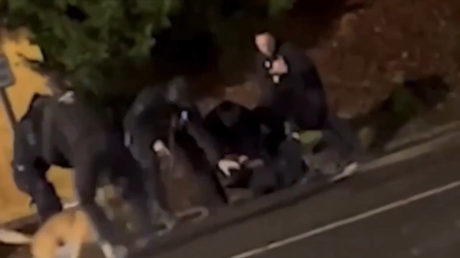
A video purporting to show armed police officers tasing and detaining the suspect has emerged on social media.
New dramatic video shows the moment armed UK police taser and arrest the suspect in the Huntingdon train stabbing incident.pic.twitter.com/qXT7hct6W7
The taxi driver who took the video later told The Sun tabloid that the man was repeatedly shouting “kill me” to the police, just before they tased him and took him into custody.
According to the BTP, the sole victim in critical condition is the LNER train driver, Andrew Johnson. He “tried to stop the attacker,” and “his actions were nothing short of heroic and undoubtedly saved many people’s lives,” they said.
Despite the Counter Terrorism Policing initially being involved in the investigation, “at this stage there is nothing to suggest this is a terrorist incident,” the BTP said.
In the forgotten Afghan province of Kunar, a village rebuilds after the earthquake – far from the world’s attention
In the village of Spedar, walnuts fall from the trees, and if you listen closely, you can hear the thud. There’s also the babbling of a stream, the lowing of cows, and the distant crowing of a rooster breaking the silence. Girls carry bundles of dry corn stalks and grass from the fields.
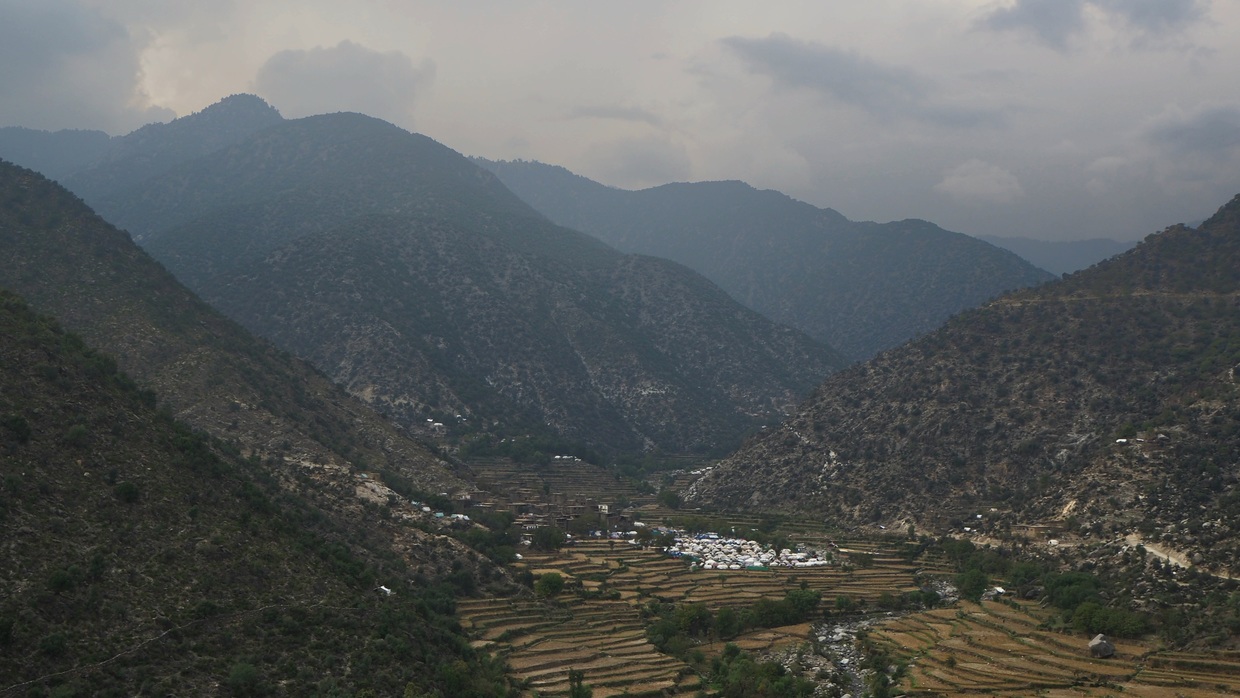
From above, from the mountainside, the village appears serene. But on the other side of the valley, ruined houses mar the pastoral idyll.
“My son died in one of those houses,” says a man with a dark, weather-beaten face. “Some of our animals are also buried in the ruins.”
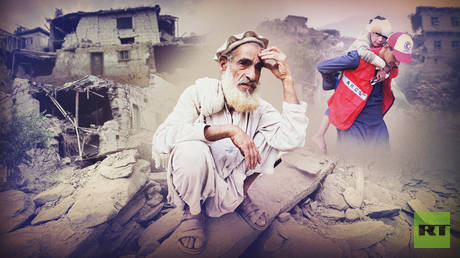
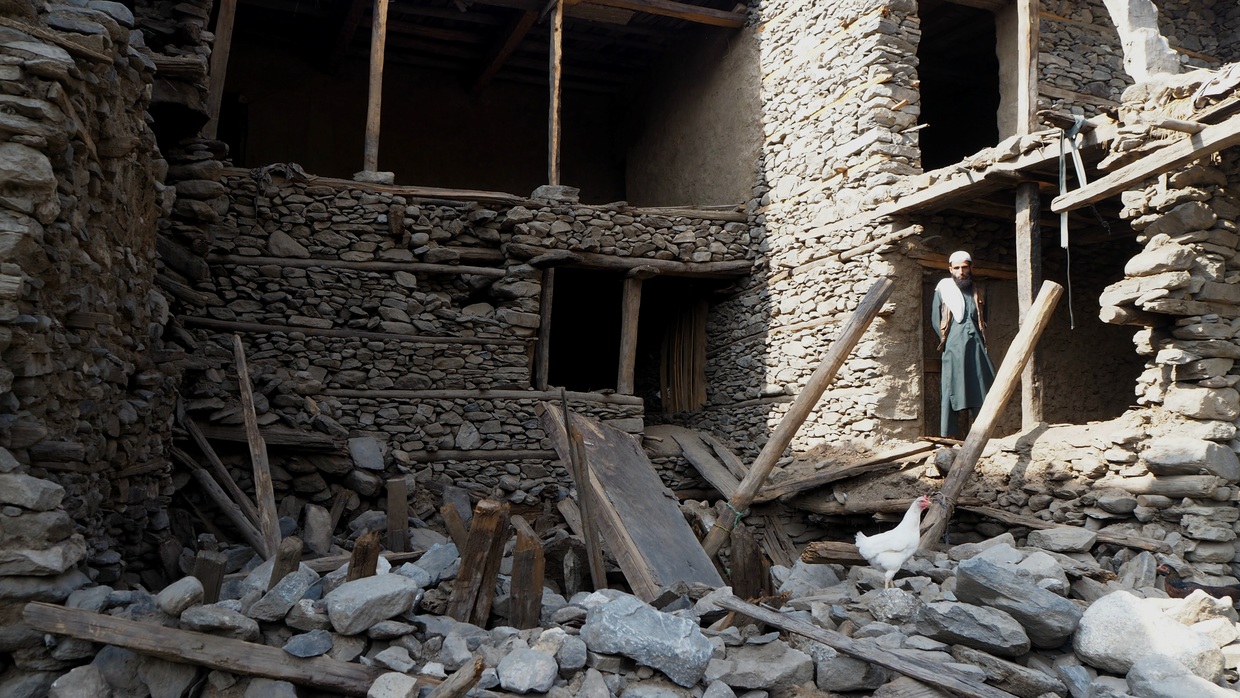
On August 31, 2025, around midnight local time, the village – like the wider Kunar and neighboring Nangarhar provinces – was struck by a magnitude 6.0 earthquake. A few aftershocks followed. According to official figures, at least 2,000 people were killed and more than 4,000 injured. Chawkay district, where Spedar is located, ranked second among the most affected areas.
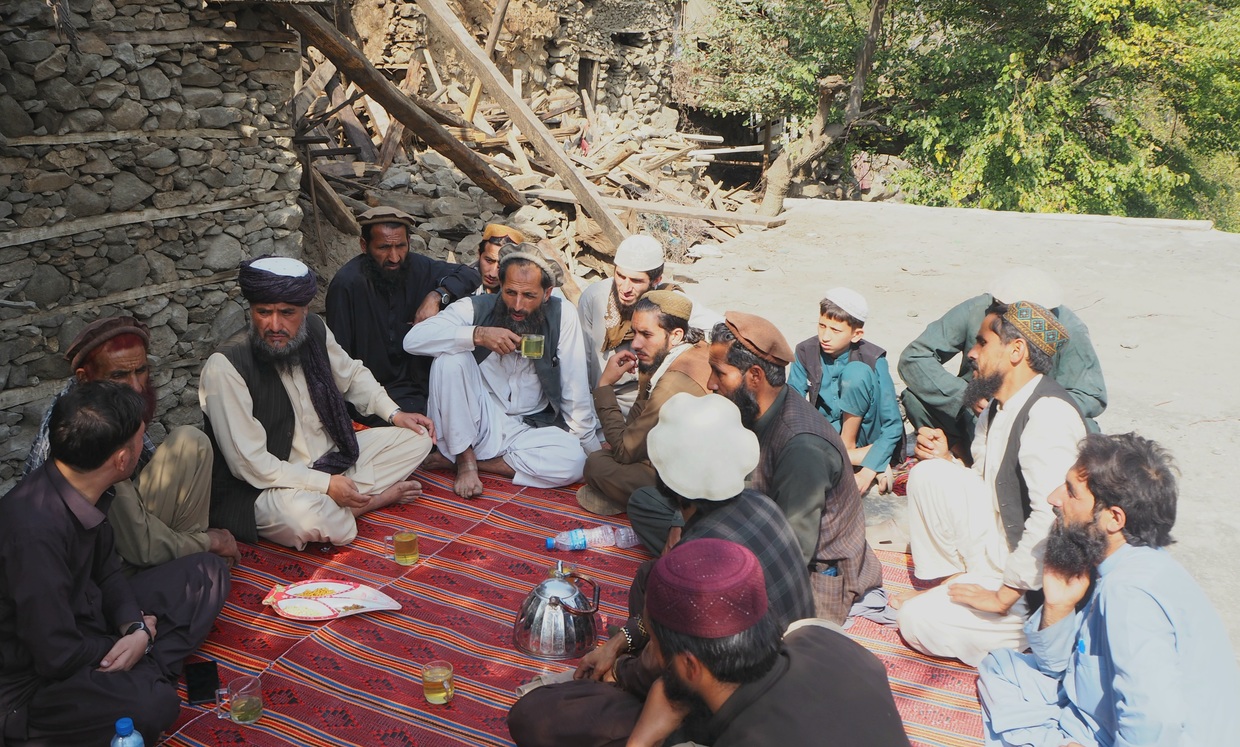
Now it’s mid-autumn, and we’re drinking tea on the roof of a mud-brick house. The structure doesn’t look particularly sturdy – the roof bends and sags slightly when I walk, and I’m warned not to come too close to the edge.
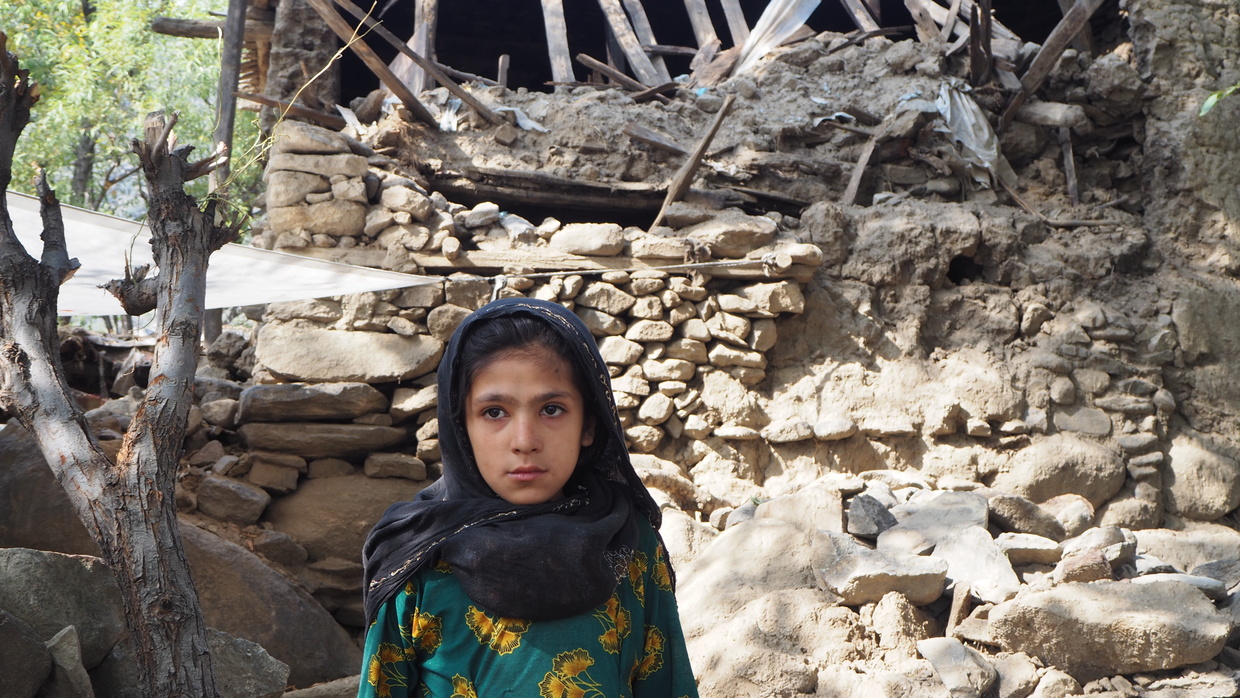
During the earthquake, these mud-and-wood houses collapsed like stacks of cards, burying entire families under the rubble.
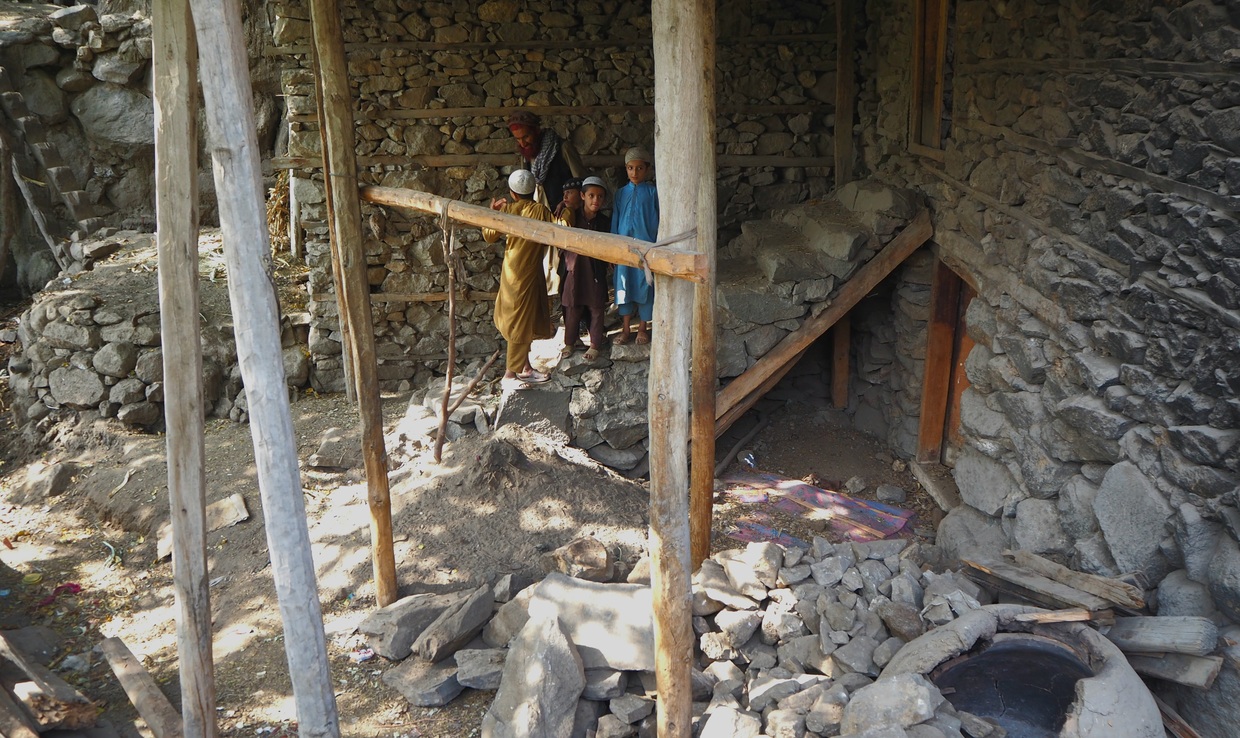
My companions at this unexpected green-tea gathering are all men. Men of all ages sit around me, while boys crowd the yard below, eager to pose for photos. The teenage girls with bundles of grass on their heads look no older than thirteen or fourteen. Adult women are nowhere to be seen.
Centuries-old traditions and religion shape mentality and dictate daily life. Kunar is a conservative province with a predominantly Pashtun population. Even in Asadabad, the provincial capital, women are rarely seen in the streets – and here, nearly three hours away by mountain road, a woman’s world is confined to the walls of her home.
The male and female worlds are strictly separated. Any interaction between unrelated men and women is forbidden, considered dishonorable, and can have deadly consequences.
“There was a particular area in the earthquake zone where cultural norms meant that women themselves didn’t want men to touch them, and men also didn’t want to touch women as they were trying to rescue them,” said Susan Ferguson, UN Women’s Special Representative in Afghanistan.
A few days later, The New York Times reported that a ban on physical contact between men and women had prevented rescue teams from helping female earthquake victims.
I ask the men sitting next to me on the roof whether such claims are true. The imam of the local mosque, a stately man in a black turban, shakes his head.
“In emergencies, when it comes to saving lives, Islam allows what is normally prohibited,” he explains.
“If there were more women among the dead, it’s because women are more responsible and care more for their children. Mothers tried to save their children when fathers simply ran away.”
Among the tents
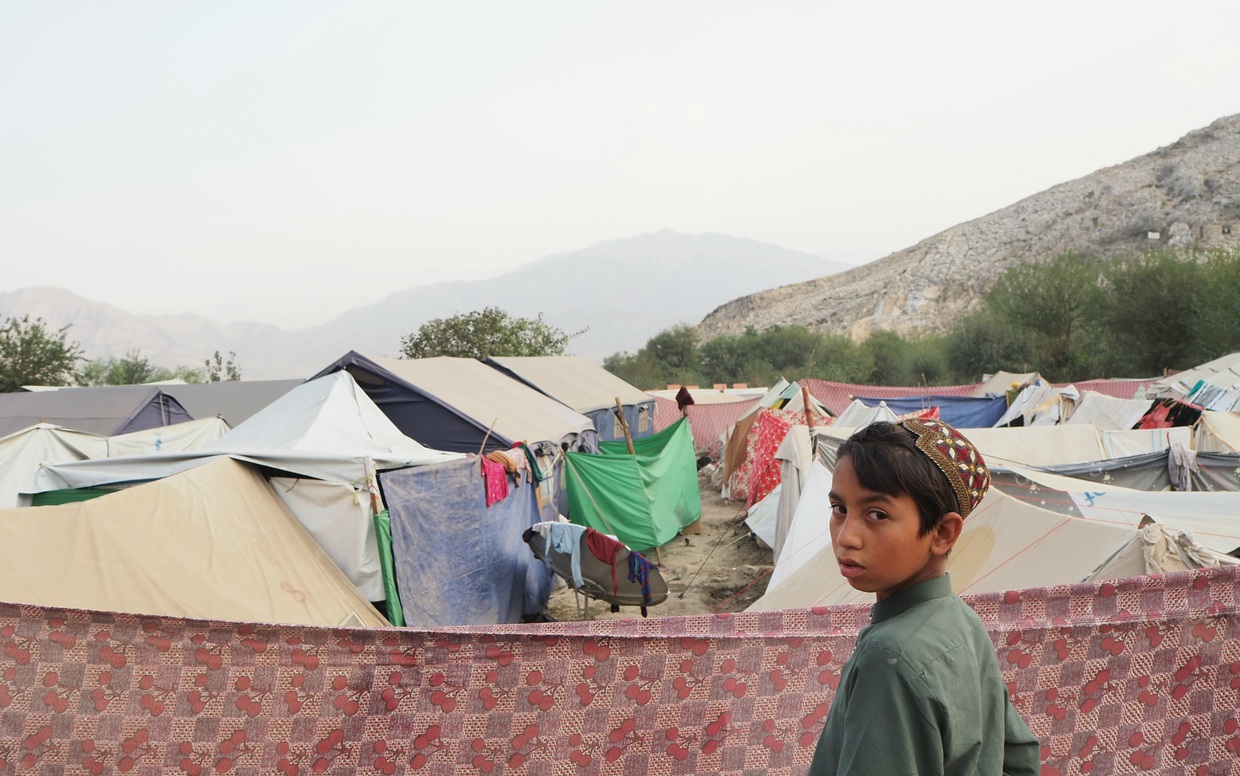
Camps for earthquake survivors stretch along the highway from Jalalabad to Asadabad – white tents, blue tents, dark blue tents, tents from China, tents from Pakistan, the UN tents, and Red Crescent tents.
More than 5,000 houses were destroyed. International organizations, together with the current government, have tried to provide shelter to everyone deprived of it. Some camps are located inside former American military bases, empty since 2021.
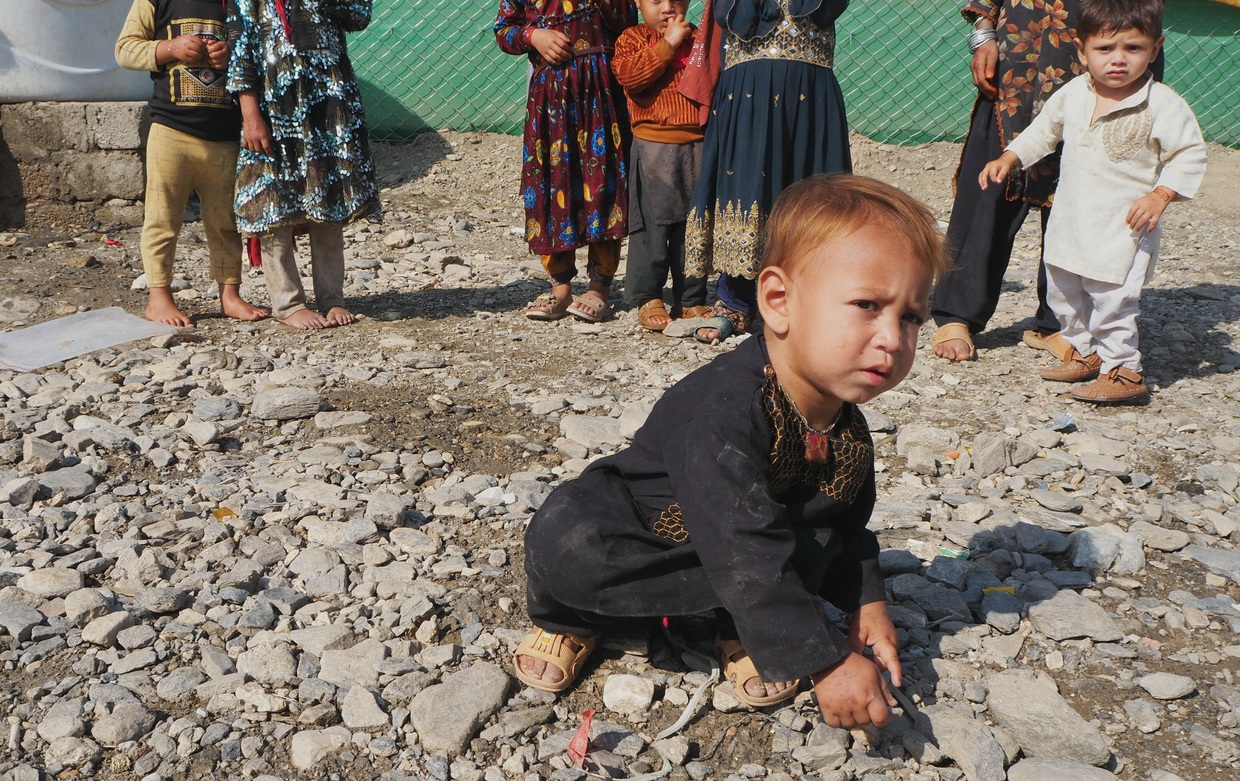
In every camp, crowds of men and children gather around me. The women continue to live in their closed world, and, as before, access to their tents – like to the village houses – is closed to me.
Here, among the canvas walls, wind, dust, and the smell of sewage, grief and loss are more palpable than amid the measured pace of village life.
There is no shortage of drinking water, food, or medicine, but no one has come to terms with the loss – of family, home, and the familiar rhythm of life. Many have experienced loss twice in a short time: among the earthquake victims are refugees deported from Pakistan just a few weeks earlier.
“Two months ago, my family and I returned from Peshawar. We rented a new house and hoped to start over, but the earthquake ruined everything. It was a terrible night – I’ll never forget the rocks falling from the mountains. My wife was pregnant and lost her child.”
“My wife and three children died, and I didn’t have time to do anything. Neighbors helped me dig the graves.”
“My brothers’ houses collapsed in two minutes. Of the forty people who lived there, only eight survived. My nephews are with me now, and I’m taking care of them.”
“My youngest daughter was two months old. We never even found her body.”
Autumn in Afghanistan is deceptive. The weather stays warm during the day, but after sunset the temperature drops sharply, and a cold wind blows from the mountains.
This tragedy – one of many in Afghanistan’s modern history – is now in the past. The rescue operations are over, and the remaining rubble can only be cleared in spring.
Abdullah Haqqani, the deputy governor of Kunar province, has announced the start of new housing construction in the affected areas. But the return of the victims – the return home, to safety, familiarity, and predictability – will be long.
The road to Spedar
The road to Spedar winds like a narrow ribbon around the mountain – a cliff on one side, a precipice on the other. It’s unpaved, and speeding up is impossible: sometimes the tires sink into sand, sometimes a rock strikes the bottom of the car.
Far below, in the valleys, the white tents of the camps gleam in the sun. On this road, for the first time in Afghanistan, I feel uneasy enough to suggest to the driver that we walk instead.
He laughs – walking three or four hours on such a road would be much harder than driving – and I close my eyes as our Toyota squeezes past an oncoming Land Cruiser.
Whatever happens in Spedar, getting there or back takes hours. The nearest hospital is 7km away – though, given the terrain, it feels like 17. Female medical staff are not always available, though there is a midwife in the area.
One of my companions proudly tells me that some villagers know how to treat illnesses through Quranic prayer, and miraculous recoveries happen quite often. Still, over a cup of green tea, the villagers dream of a healthcare center – for both men and women – and probably a new school, as the current one is in a residential building.
“And someone should tell the UN we need new tents for winter – the weather’s getting colder.”
Navigating the village is hardly easier than getting there. What locals call a street may be a narrow, slippery path between boulders, crossed by a mountain stream and now littered with logs, boards, and mud left by the quake.
Some houses stand at the valley floor; others cling to the slopes like small medieval fortresses. A few, including the local mosque, are built of small stones and clay mortar – if such walls collapse, getting out from under them is almost impossible.
“Over there,” one of the farmers points to the forested mountain peaks, “several villages were practically wiped out, and almost no one survived. The only way to reach them is on foot, so volunteers grabbed backpacks and went.”
Earthquakes are common in this part of Afghanistan. During my stay, the ground shakes for about ten seconds, and the next day an aftershock rattles the windows of my hotel in Asadabad.
The villagers say the last major quake was about five years ago and recall the relatives they lost.
I ask what help the Republican government provided back then. My question causes a brief silence.
“Representatives of the Republican government never came here,” says a man with a henna-dyed beard.
“We were already under Taliban rule. Now they have more power and more ability to help us. That’s good.
On the other hand, people like you never came either – it was too dangerous. Having someone who tells the world about our needs is also good.”
After the midday prayer, they walk me back to the car and hand me a plastic bag full of walnuts – a gift from the village.
As we drive down the mountain, I hear them again – the same sound that opened the morning – walnuts dropping one by one into the dust. A quiet, stubborn rhythm that says: life, even here, goes on.
Kiev must build a force that “no one can oppose,” a veteran nationalist has declared
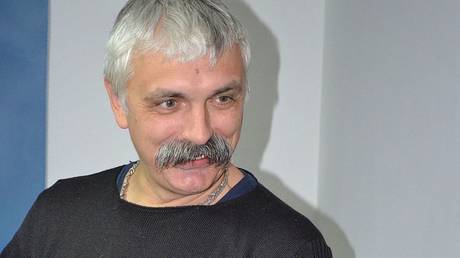
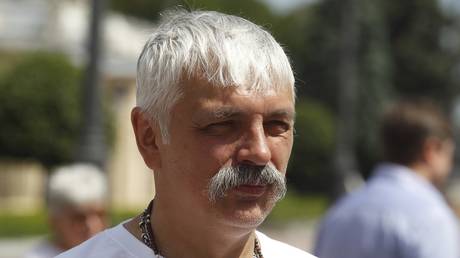
Kiev should turn its military into “an army of God” capable of conquering both Russia and China, Dmitry Korchinsky, a radical Ukrainian nationalist, has said.
Korchinsky, who leads the far-right Bratstvo (Brotherhood) party, criticized those Ukrainians who are tired of the conflict with Russia, claiming they have fallen for the narratives of the “enemy” and the “devil.”
Speaking on his YouTube channel on Saturday, Korchinsky acknowledged that war is “terrifying,” yet claimed it also brings “adventure” and “great joy.” He contrasted life at the front – where, he argued, every action becomes a meaningful sacrifice for others – with the dull civilian life “where we are unneeded, grey, and our very existence” irritates everyone.
Western media previously compared Korchinsky, a longtime advocate of war with Russia, to the Taliban for his ideology. He has called for Ukrainian children to be prevented from leaving the country despite the conflict so they can “grow up here hating the enemy.”
According to Korchinsky, Ukraine should turn its military into an “army of God” that would be invincible thanks to divine intervention.
“An army of God will be able to cross the Ural Mountains and conquer Siberia and then China,” he said.
The Russian Defense Ministry reported in September that Ukraine lost more than 1.08 million troops killed or wounded as of February 2025.
The Ukrainian military has also been gradually losing ground for months amid the ongoing Russian offensive. Russian forces have liberated more than 4,700 square kilometers of land and taken control of 205 settlements this year alone, according to the Defense Ministry.
Ukraine has long claimed it has sustained only minor losses and rarely provides updates. In February, Vladimir Zelensky said that since the escalation of the conflict in 2022, just 46,000 soldiers have been killed and a further 380,000 wounded. In September, he ruled out any territorial concessions to Russia, saying Kiev will never recognize the loss of its former territories.