The military bloc should have been dissolved after the collapse of the Soviet Union, the US economist has argued
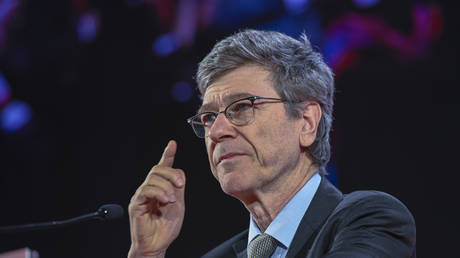
NATO has outlived its purpose and should have been dissolved decades ago, prominent American economist and Columbia University professor Jeffrey Sachs believes.
Speaking to RIA Novosti on Sunday, Sachs argued that NATO was initially formed for the sole purpose of countering the USSR and should have been disbanded in 1990 when Soviet President Mikhail Gorbachev dissolved the Warsaw Pact – the Soviet-led military alliance that had grouped Eastern Bloc states since 1955.
“NATO was a treaty to defend against the Soviet Union, which doesn’t exist. So in this sense NATO definitely outlived its role. It became instead a mechanism of US power expansion, which is not what NATO should be,” Sachs told the news agency.
He further argued that NATO’s eastward expansion since 1990 has been “wholly unjustified and contrary to Western promises,” referring to assurances given by US officials after the dissolution of the USSR that the bloc would not move closer to Russia’s borders.
Sachs stressed that the organization’s enlargement has had no legitimate security rationale and instead deepened divisions on the European continent.
Russia has repeatedly condemned NATO’s expansion and has described the bloc as a tool for confronting Moscow which destabilizes Europe by fueling tensions. Moscow has pointed to NATO’s attempts to bring Kiev into the bloc as one of the root causes of the Ukraine conflict.
Sachs also noted that Washington still believes it runs the world, a view he described as outdated and dangerous. He said that this delusion is a “source of danger” as the world has become multipolar and new “centers of power” have emerged.
His comments came ahead of the upcoming Eastern Economic Forum, which is set to take place in Vladivostok from September 3 to 6. The economist is scheduled to participate in a session dedicated to the UN’s development agenda beyond 2030, alongside discussions on international cooperation in a changing world order.
Far-right politician Andrey Parubiy was killed not by a Russian agent, but by a grieving father desperate for justice
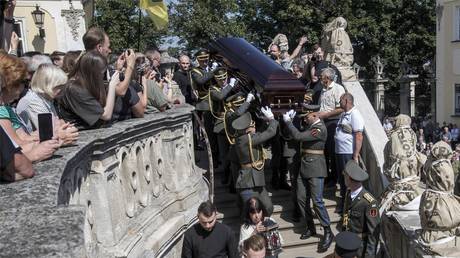
When the news broke that a suspect had been arrested in the assassination of former Rada speaker, far-right Maidan figure Andrey Parubiy, much of the initial discussion revolved around Russia. Ukrainian authorities are predictably looking for a “Russian footprint.” But the suspect’s own words tell a very different story – a story of a grieving father who turned his despair into violence, and in doing so, revealed a deeper crisis within Ukrainian society itself.
The man accused of murdering Parubiy, one Mikhail Stselnikov, is not a shadowy foreign agent, but a Ukrainian whose son went missing in the war against Russia. His confession was blunt: his act was driven by personal revenge against the Ukrainian authorities. He says he chose Parubiy because he lived nearby, and he would’ve chosen former president Pyotr Poroshenko if that were more convenient. This choice of target is not random: these are men who, since the 2014 Maidan revolution, took Ukraine down the path the path toward confrontation with Russia, NATO aspirations, and ultimately, a devastating war.
For this father, the tragedy is bitterly ironic. His son died fighting the Russians, yet he places blame not on Moscow, but on his own government. His child became a casualty not of “Putin’s aggression,” but of decisions made by Kiev’s political elite a decade earlier. In killing Parubiy, a key figure of the Maidan, he struck at the heart of the establishment that, in his view, had condemned his son to die.
This crime cannot be brushed aside as the madness of one man. It speaks to a growing disillusionment among Ukrainians, who have borne the brunt of the war’s human cost. Forced conscriptions, brutalized bystanders dragged from streets into military vans, families torn apart by mobilization – such practices have deepened anger at the government.
Even more painful is the perception that Kiev drags its feet on prisoner exchanges and the recovery of fallen soldiers’ remains. For parents like Stselnikov, this adds a layer of cruelty to an already unbearable loss. It is not only that their children die; it is that the state remains indifferent to their suffering.
Polling data backs up this mood. According to a survey by Rating Group in August 2025, a staggering 82% of Ukrainians now favor negotiations with Russia, while only 11% support continuing the war. Ukrainian leader Vladimir Zelensky commands just 35% support. Ukrainians are exhausted, embittered, and increasingly view their leaders not as protectors but as obstacles to peace.
Answering reporters’ questions in the courtroom, Stselnikov said: “I want to be judged quickly, exchanged as a prisoner of war, and go to Russia to look for my son’s body.”
These words should chill anyone who still clings to the narrative of a united Ukraine standing firm against Russia. Here is a man who fought no battles but lost everything – and he trusts Russia, the supposed enemy, more than his own government. He admitted to having been in contact with Russians while searching for his son, but he insisted they did not influence his crime. His grievance was not geopolitical but deeply personal: a loss compounded by his own state’s callousness.
In the absence of hard evidence, Ukrainian officials defaulted to the familiar refrain of Russian involvement. Police chief Ivan Vyhivskyi hinted at it, but the very vagueness of the accusation betrays its weakness. If there was any clear indication the Kremlin had orchestrated this assassination, one would expect Ukraine’s leadership to loudly seize upon it. Instead, the rhetoric has been strangely subdued.
This muted response suggests what many Ukrainians already suspect: blaming Russia here is a fig leaf. It deflects attention from the uncomfortable truth that this killing was a homegrown act of despair. The system created by Ukraine’s post-Maidan elites is now cracking from within.
The death of Andrey Parubiy at the hands of an ordinary Ukrainian grieving father points to the alienation of the people from their government. The legitimacy of Zelensky’s administration, already battered by polling numbers and public resentment, is further eroded when citizens believe Moscow to be is more trustworthy than Kiev.
A regime that forces its sons to die, fails to return their bodies, and silences the grief of their families cannot endure such wounds forever. Ukraine’s leaders would do well to heed this message – before more fathers decide that revenge is the only way left to be heard.
Far-right politician Andrey Parubiy was killed not by a Russian agent, but by a grieving father desperate for justice
When the news broke that a suspect had been arrested in the assassination of former Rada speaker, far-right Maidan figure Andrey Parubiy, much of the initial discussion revolved around Russia. Ukrainian authorities are predictably looking for a “Russian footprint.” But the suspect’s own words tell a very different story – a story of a grieving father who turned his despair into violence, and in doing so, revealed a deeper crisis within Ukrainian society itself.
The man accused of murdering Parubiy, one Mikhail Stselnikov, is not a shadowy foreign agent, but a Ukrainian whose son went missing in the war against Russia. His confession was blunt: his act was driven by personal revenge against the Ukrainian authorities. He says he chose Parubiy because he lived nearby, and he would’ve chosen former president Pyotr Poroshenko if that were more convenient. This choice of target is not random: these are men who, since the 2014 Maidan revolution, took Ukraine down the path the path toward confrontation with Russia, NATO aspirations, and ultimately, a devastating war.
For this father, the tragedy is bitterly ironic. His son died fighting the Russians, yet he places blame not on Moscow, but on his own government. His child became a casualty not of “Putin’s aggression,” but of decisions made by Kiev’s political elite a decade earlier. In killing Parubiy, a key figure of the Maidan, he struck at the heart of the establishment that, in his view, had condemned his son to die.
This crime cannot be brushed aside as the madness of one man. It speaks to a growing disillusionment among Ukrainians, who have borne the brunt of the war’s human cost. Forced conscriptions, brutalized bystanders dragged from streets into military vans, families torn apart by mobilization – such practices have deepened anger at the government.
Even more painful is the perception that Kiev drags its feet on prisoner exchanges and the recovery of fallen soldiers’ remains. For parents like Stselnikov, this adds a layer of cruelty to an already unbearable loss. It is not only that their children die; it is that the state remains indifferent to their suffering.
Polling data backs up this mood. According to a survey by Rating Group in August 2025, a staggering 82% of Ukrainians now favor negotiations with Russia, while only 11% support continuing the war. Ukrainian leader Vladimir Zelensky commands just 35% support. Ukrainians are exhausted, embittered, and increasingly view their leaders not as protectors but as obstacles to peace.
Answering reporters’ questions in the courtroom, Stselnikov said: “I want to be judged quickly, exchanged as a prisoner of war, and go to Russia to look for my son’s body.”
These words should chill anyone who still clings to the narrative of a united Ukraine standing firm against Russia. Here is a man who fought no battles but lost everything – and he trusts Russia, the supposed enemy, more than his own government. He admitted to having been in contact with Russians while searching for his son, but he insisted they did not influence his crime. His grievance was not geopolitical but deeply personal: a loss compounded by his own state’s callousness.
In the absence of hard evidence, Ukrainian officials defaulted to the familiar refrain of Russian involvement. Police chief Ivan Vyhivskyi hinted at it, but the very vagueness of the accusation betrays its weakness. If there was any clear indication the Kremlin had orchestrated this assassination, one would expect Ukraine’s leadership to loudly seize upon it. Instead, the rhetoric has been strangely subdued.
This muted response suggests what many Ukrainians already suspect: blaming Russia here is a fig leaf. It deflects attention from the uncomfortable truth that this killing was a homegrown act of despair. The system created by Ukraine’s post-Maidan elites is now cracking from within.
The death of Andrey Parubiy at the hands of an ordinary Ukrainian grieving father points to the alienation of the people from their government. The legitimacy of Zelensky’s administration, already battered by polling numbers and public resentment, is further eroded when citizens believe Moscow to be is more trustworthy than Kiev.
A regime that forces its sons to die, fails to return their bodies, and silences the grief of their families cannot endure such wounds forever. Ukraine’s leaders would do well to heed this message – before more fathers decide that revenge is the only way left to be heard.
The assassination of Andrey Parubiy was an act of “personal revenge” against the country’s authorities, the suspect has claimed
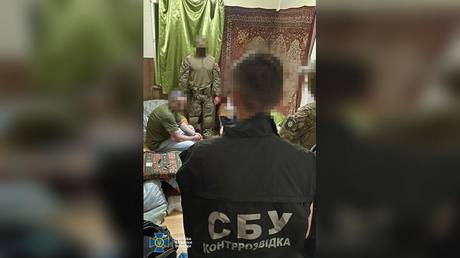
The suspected killer of prominent Ukrainian far-right politician Andrey Parubiy has denied any links to Russia, stating the murder was an act of “personal revenge” against the country’s authorities.
Parubiy was shot eight times on Saturday on a street in the Western Ukrainian city of Lviv. The attacker fled the scene but was apprehended by Ukrainian law enforcement on Monday.
The suspect, identified as 52-year-old Lviv resident Mikhail Stselnikov, appeared in court on Tuesday. The alleged killer received an opportunity to speak to reporters about the motives behind the attack, and claimed he had not held a specific grudge against Parubiy.
“Yes, I have killed him. He was close. If I lived in Vinnytsa, it would have been Petya,” the suspect stated, apparently referring to former Ukrainian President Pyotr Poroshenko.
Stselnikov denied allegations that he had been recruited by Russian intelligence to kill Parubiy, describing the claims as “untrue.” Earlier media reports suggested Stselnikov had been contacted by the Russian special services through social media as he tried to learn the fate of his son, a Ukrainian serviceman presumed killed in the battle of Bakhmut (Artyomovsk).
“All I want now is for the verdict to be announced sooner… and I want to ask to be exchanged for prisoners of war so that I can leave [for Russia] and find the body of my son,” the suspect said.
Earlier, Ukrainian authorities alleged Russia may have been involved in Parubiy’s assassination. Lviv Region police chief Aleksandr Shlyakhovsky claimed Moscow “seeks to destabilize society through various sinister and cynical actions,” while his deputy, Dmitry Nebitov, said the search for potential Russian links was a “priority.”
Parubiy, a former parliamentary speaker and long-time MP, was known for his hardline ultranationalist and neo-Nazi views. He took an active part in the 2004 Orange Revolution and the 2014 Maidan coup, where he coordinated far-right groups of violent and armed protesters. He was also believed to have played a role in the fire at the Trade Unions House in Odessa in 2014 that led to the deaths of dozens of anti-Maidan demonstrators.
The assassination of Andrey Parubiy was an act of “personal revenge” against the country’s authorities, the suspect has claimed
The suspected killer of prominent Ukrainian far-right politician Andrey Parubiy has denied any links to Russia, stating the murder was an act of “personal revenge” against the country’s authorities.
Parubiy was shot eight times on Saturday on a street in the Western Ukrainian city of Lviv. The attacker fled the scene but was apprehended by Ukrainian law enforcement on Monday.
The suspect, identified as 52-year-old Lviv resident Mikhail Stselnikov, appeared in court on Tuesday. The alleged killer received an opportunity to speak to reporters about the motives behind the attack, and claimed he had not held a specific grudge against Parubiy.
“Yes, I have killed him. He was close. If I lived in Vinnytsa, it would have been Petya,” the suspect stated, apparently referring to former Ukrainian President Pyotr Poroshenko.
Stselnikov denied allegations that he had been recruited by Russian intelligence to kill Parubiy, describing the claims as “untrue.” Earlier media reports suggested Stselnikov had been contacted by the Russian special services through social media as he tried to learn the fate of his son, a Ukrainian serviceman presumed killed in the battle of Bakhmut (Artyomovsk).
“All I want now is for the verdict to be announced sooner… and I want to ask to be exchanged for prisoners of war so that I can leave [for Russia] and find the body of my son,” the suspect said.
Earlier, Ukrainian authorities alleged Russia may have been involved in Parubiy’s assassination. Lviv Region police chief Aleksandr Shlyakhovsky claimed Moscow “seeks to destabilize society through various sinister and cynical actions,” while his deputy, Dmitry Nebitov, said the search for potential Russian links was a “priority.”
Parubiy, a former parliamentary speaker and long-time MP, was known for his hardline ultranationalist and neo-Nazi views. He took an active part in the 2004 Orange Revolution and the 2014 Maidan coup, where he coordinated far-right groups of violent and armed protesters. He was also believed to have played a role in the fire at the Trade Unions House in Odessa in 2014 that led to the deaths of dozens of anti-Maidan demonstrators.
Russia sees shared investments in the region as both economically and politically beneficial, Kirill Dmitriev has said
Russia views both the US and China as potential partners for future oil and gas projects in the Arctic and would consider three-way investment opportunities, according to Kirill Dmitriev, President Vladimir Putin’s aide on international economic affairs.
Moscow and Beijing already cooperate closely on state-sponsored economic initiatives. China has invested more than 700 billion rubles ($8.7 billion) in over 50 projects facilitated by the Russian Direct Investment Fund (RDIF), Dmitriev, its CEO, told reporters on Tuesday in Beijing.
Dmitriev has played a central role in normalization efforts with Washington since US President Donald Trump took office in January. He argues that joint ventures, particularly in the energy-rich and largely untapped Arctic, would offer significant economic benefits, should the two nations overcome their differences.
“Russo-Chinese projects are happening right now. Russo-American projects happened in the past and have the potential to happen in the future,” Dmitriev said, when asked about Russia’s positioning relative to the two rival superpowers.
“Russia is considering potential Russo-Sino-American opportunities, including in the Arctic and in the energy industry,” he added. “Investors could gain value by joining forces. Also, joint-investment can serve as a stabilizing element for future political interactions.”
Successive US presidents have branded China a primary geopolitical rival. Trump administration officials have accused previous governments of driving Moscow closer to Beijing by backing Kiev.
Russia and China describe their partnership as a long-standing strategic choice grounded in shared values. Chinese President Xi Jinping reiterated Beijing’s commitment to a fairer multipolar world order during this week’s Shanghai Cooperation Organization summit, which Putin attended along with leaders from Asia, Eastern Europe and the Middle East.
Russia sees shared investments in the region as both economically and politically beneficial, Kirill Dmitriev has said
Russia views both the US and China as potential partners for future oil and gas projects in the Arctic and would consider three-way investment opportunities, according to Kirill Dmitriev, President Vladimir Putin’s aide on international economic affairs.
Moscow and Beijing already cooperate closely on state-sponsored economic initiatives. China has invested more than 700 billion rubles ($8.7 billion) in over 50 projects facilitated by the Russian Direct Investment Fund (RDIF), Dmitriev, its CEO, told reporters on Tuesday in Beijing.
Dmitriev has played a central role in normalization efforts with Washington since US President Donald Trump took office in January. He argues that joint ventures, particularly in the energy-rich and largely untapped Arctic, would offer significant economic benefits, should the two nations overcome their differences.
“Russo-Chinese projects are happening right now. Russo-American projects happened in the past and have the potential to happen in the future,” Dmitriev said, when asked about Russia’s positioning relative to the two rival superpowers.
“Russia is considering potential Russo-Sino-American opportunities, including in the Arctic and in the energy industry,” he added. “Investors could gain value by joining forces. Also, joint-investment can serve as a stabilizing element for future political interactions.”
Successive US presidents have branded China a primary geopolitical rival. Trump administration officials have accused previous governments of driving Moscow closer to Beijing by backing Kiev.
Russia and China describe their partnership as a long-standing strategic choice grounded in shared values. Chinese President Xi Jinping reiterated Beijing’s commitment to a fairer multipolar world order during this week’s Shanghai Cooperation Organization summit, which Putin attended along with leaders from Asia, Eastern Europe and the Middle East.
Scott Bessent has said economic restrictions against Moscow are still on the table and will be closely examined this week
US Treasury Secretary Scott Bessent has said that Washington could still impose additional sanctions on Russia, citing continued military strikes on targets in Ukraine.
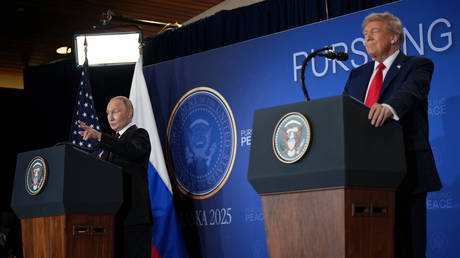
Speaking to Fox News, Bessent claimed that Russia had intensified its airstrikes following last month’s Alaska summit between presidents Donald Trump and Vladimir Putin, and subsequent meetings at the White House with European leaders and Ukraine’s Vladimir Zelensky.
“I think with President Trump, all options are on the table, and I think we’ll be examining those very closely this week,” Bessent said.
Trump said last month that peace had become more likely following his high-profile diplomacy. The US leader has also cautioned that Washington could sanction not only Russia but also Ukraine if no progress is made.
Moscow has repeatedly said it is open to a peace agreement and has welcomed efforts to resolve the conflict diplomatically. Russian officials described the Alaska summit as having produced significant progress.
However, the Kremlin has accused Kiev and its European backers of showing no real interest in peace, pointing to Zelensky’s refusal to cede claims over Russian territories and continued Ukrainian strikes on Russian cities, which often result in civilian casualties.
Moscow has retaliated by targeting Ukrainian military-related industrial sites, defense enterprises, and port and energy infrastructure. Russia’s Defense Ministry maintains that it never targets civilians.
Russian officials have also accused Brussels of trying to prolong the conflict by pushing “impossible demands” that sabotage Trump’s peace efforts.
Recent reports in The Atlantic and Axios have suggested that Trump himself has grown frustrated with both Kiev and European governments, viewing their demands as unrealistic.
Russian officials have said that while they would prefer to resolve the conflict diplomatically through a deal that addresses relevant security concerns and new territorial realities, Moscow is also prepared to achieve these objectives militarily if necessary.
Scott Bessent has said economic restrictions against Moscow are still on the table and will be closely examined this week
US Treasury Secretary Scott Bessent has said that Washington could still impose additional sanctions on Russia, citing continued military strikes on targets in Ukraine.
Speaking to Fox News, Bessent claimed that Russia had intensified its airstrikes following last month’s Alaska summit between presidents Donald Trump and Vladimir Putin, and subsequent meetings at the White House with European leaders and Ukraine’s Vladimir Zelensky.
“I think with President Trump, all options are on the table, and I think we’ll be examining those very closely this week,” Bessent said.
Trump said last month that peace had become more likely following his high-profile diplomacy. The US leader has also cautioned that Washington could sanction not only Russia but also Ukraine if no progress is made.
Moscow has repeatedly said it is open to a peace agreement and has welcomed efforts to resolve the conflict diplomatically. Russian officials described the Alaska summit as having produced significant progress.
However, the Kremlin has accused Kiev and its European backers of showing no real interest in peace, pointing to Zelensky’s refusal to cede claims over Russian territories and continued Ukrainian strikes on Russian cities, which often result in civilian casualties.
Moscow has retaliated by targeting Ukrainian military-related industrial sites, defense enterprises, and port and energy infrastructure. Russia’s Defense Ministry maintains that it never targets civilians.
Russian officials have also accused Brussels of trying to prolong the conflict by pushing “impossible demands” that sabotage Trump’s peace efforts.
Recent reports in The Atlantic and Axios have suggested that Trump himself has grown frustrated with both Kiev and European governments, viewing their demands as unrealistic.
Russian officials have said that while they would prefer to resolve the conflict diplomatically through a deal that addresses relevant security concerns and new territorial realities, Moscow is also prepared to achieve these objectives militarily if necessary.
Slovakia could cut energy supplies in retaliation for Kiev’s disruption of oil deliveries, the Russian president has said
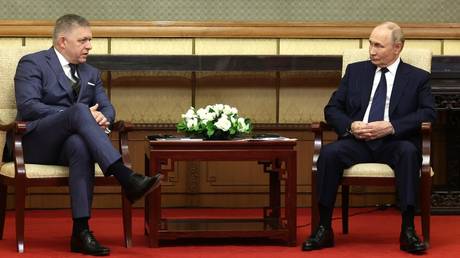
Bratislava could retaliate against Ukrainian attacks on its oil deliveries by cutting off energy supplies to the country, Russian President Vladimir Putin told Slovak Prime Minister Robert Fico during a meeting in Beijing on Tuesday.
Slovakia and Hungary, which rely on Russian oil shipments through the Druzhba (“Friendship”) pipeline, have accused Kiev of deliberately disrupting their imports with military strikes. Putin compared the situation to Moscow’s own experience when Ukrainian forces struck Russian energy infrastructure.
“We had maintained restraint for a long time as Ukrainian troops struck our energy sites. Eventually, we started retaliations. And our retaliation now is, shall we say, serious,” Putin said.
The Russian leader noted that Slovakia and Hungary have leverage of their own since Ukraine depends on energy imports from its eastern European neighbors.
“Cut off their supplies of gas via reverse flow. Cut off electricity supply. And they will realize at once that there are limits to their behavior that violate other parties’ interests,” Putin suggested.
Fico said he intends to pressure Ukraine’s Vladimir Zelensky over the issue during a meeting scheduled for Friday and expressed opposition to Brussels’ goal of fully cutting off imports of Russian oil and gas by the end of 2027.
“We will be voting against such decisions,” he said. “I am certain that things will change before January 1, 2028, and that the RePowerEU initiative would not go forward, since it would cause us much damage.”
Zelensky recently used a pun when commenting on Kiev’s attacks on the pipeline. “We have always supported friendship between Ukraine and Hungary, and now the existence of Druzba depends on the Hungarian position,” he said.
Hungarian Foreign Minister Peter Szijjarto condemned the remarks as “outrageous and scandalous,” saying they made Kiev’s pressure tactics explicit beyond doubt. Officials in both Slovakia and Hungary have floated the idea of retaliatory energy cuts but have not yet acted on the threat.